 plots
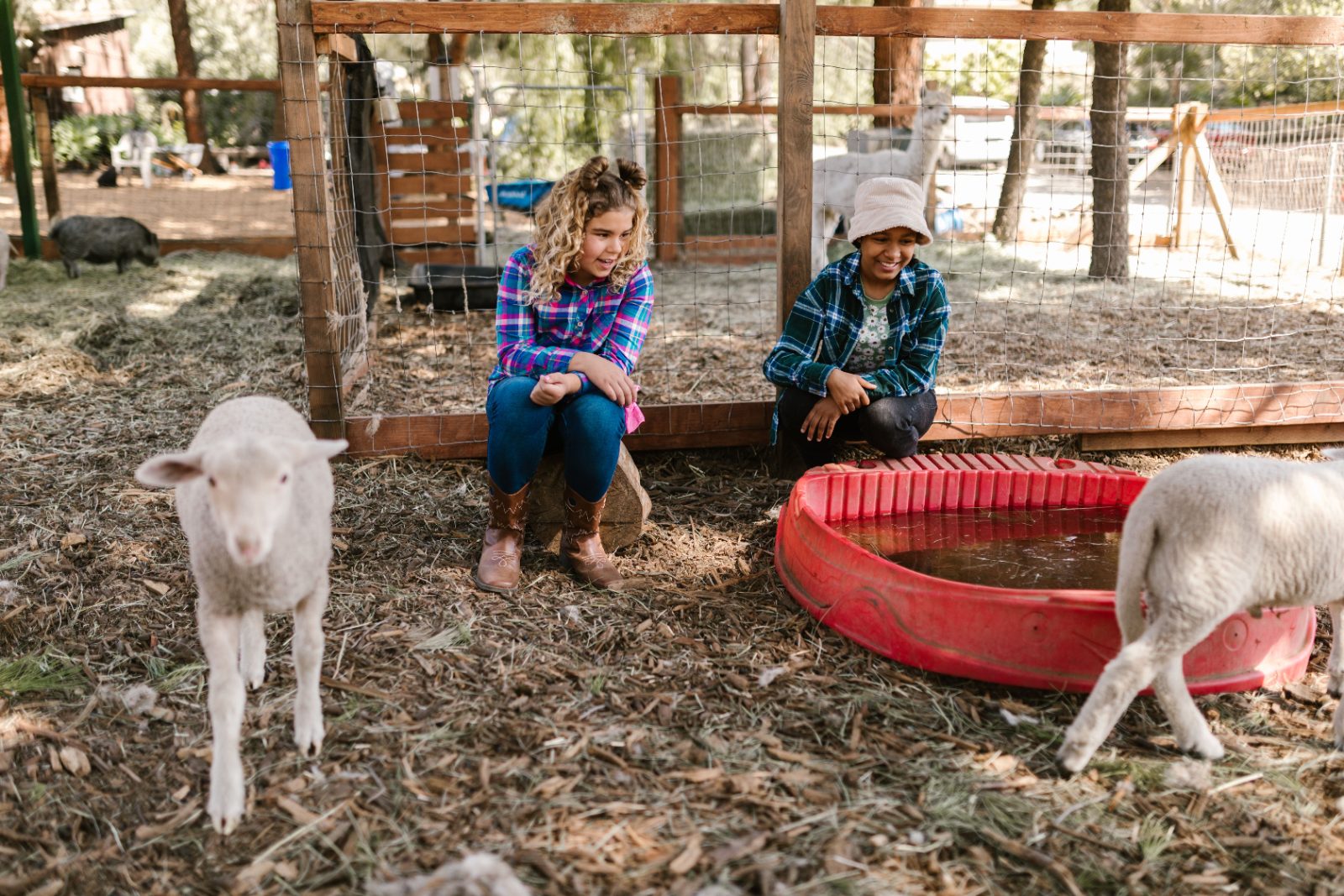
A working farm is one of the few places a kid can watch a squash go from flower to fruit, catch a bee doing its job, and pull a carrot out of the ground with dirt still on it. That is a thing people will pay for, and it uses the ground you already have. This post is about turning part of your season into an education program without pretending you have suddenly become a school.
The idea is older than it sounds
Farms have taught for as long as there have been farms. What is new is that families are actively looking for it. Programs like the Fortson 4-H center in Georgia show the shape of it: a real working landscape that also teaches, where the lessons come from what is actually happening on the ground that day. You do not need a campus or a nature center. You need a farm that is running, an adult who can hold a group's attention, and a plan for the morning.
Farm camps have been growing as a category for a reason. Parents want their kids outside and away from screens, and a half day on a farm checks that box in a way a worksheet never will. A camp that runs 9 to noon is long enough to matter and short enough that you still have an afternoon to get your own work done.
What a half day can actually teach
The content is already on your farm. You do not have to invent a curriculum; you have to point at what is in front of you.
- Pollinators: stand at a row of squash or sunflowers and watch the bees work. Kids can count visits, learn why the flower needs the insect, and see that no bee means no fruit.
- Flowers and butterflies: a strip of zinnias or a patch of milkweed becomes a lesson in bloom, nectar, and the insects that show up for it.
- How food grows: let them find a ripe cherry tomato, a bean pod, a head of lettuce. The gap between "food comes from a store" and "food comes from this plant" closes fast when they taste it.
- The soil itself: a handful of compost, a worm, the smell of healthy ground. Little kids will remember the worm longer than anything you say.
Write a simple plan around what the farm is doing that week. In June that might be strawberries and early bees; in August it is tomatoes, sunflowers, and butterflies. Keep groups small, ten to twelve is plenty for one adult, and keep the pace slow. A morning has room for maybe three activities and a snack, not eight.
The money and the goodwill
This is real revenue. A half-day camp priced in the range of small local day programs, filled with ten to fifteen kids across a week, brings in money during a stretch of summer when your market sales might be flattening out. It is also money that does not depend on how the tomatoes yield.
The quieter return is community. A family who spends a week of mornings on your farm knows your name, knows your beds, and is far more likely to join your CSA or stop by your market stall in the fall. You are not just selling a camp; you are turning strangers into people who feel some ownership of what you grow. That kind of goodwill is hard to buy and easy to earn once someone's kid has named one of your chickens.
How to actually start
You do not have to build this alone. The fastest path is a partner who already has the audience and some of the structure.
- Partner with 4-H, a local school, a scout troop, or a naturalist or master gardener in your area. They bring families, teaching experience, and sometimes insurance conversations you would rather not have from scratch.
- Start with one week, not a summer. Run a single half-day camp, see what breaks, and fix it before you scale.
- Price it honestly and collect registration up front so you know your numbers before the first morning.
- Have a rain plan, a bathroom plan, and a "what do we do when a kid is done after 40 minutes" plan.
The caveats, and they are real
This is not free money, and it is not for every farm. Be honest with yourself before you advertise anything.
- Liability and waivers: children on a working farm is a real risk. You need liability insurance that covers this activity and signed waivers from every family. Talk to your insurer before you take a deposit, not after.
- Permits and background checks: depending on where you farm, running a program for kids may require permits, and anyone working with the children may need a background check. Look this up for your state and county.
- Staffing: you cannot teach a group of eight-year-olds and harvest at the same time. Someone has to run the camp while someone else runs the farm, or the farm work stops for those three hours. Budget for that, in dollars or in your own time.
- Layout and safety: not every farm is safe for children. Ponds, machinery, sharp tools, a bull, uneven ground, chemicals in the barn. Walk your farm as if you were four feet tall and looking for trouble, and fence off or lock up what you find.
If any of those stop you cold, that is the system working. Better to know now than mid-season.
How Plots.Farm helps
The friction in a camp is not the teaching; it is the paperwork and the payment. Chasing checks, tracking who paid, and keeping families straight in a notebook is exactly the kind of duct-tape work that eats your evenings. Plots.Farm's store and payments let you sell camp registrations and collect deposits up front, so a spot is not held until it is actually paid for and you know your headcount before the week starts.
Because those buyers become Buyer accounts, the families who came to camp stay in your contacts. When CSA sign-ups open or next summer's camp is announced, you are reaching people who already know your farm, not cold strangers. Your branded public farm page gives the program a home to link from, so a flyer, a school newsletter, or a local group post can point to one clean page instead of a maze of messages.
Run one half-day week this season, insured and paid up front, and see what it does for both your July revenue and your fall CSA list.
Create your farm and give your camp a page to sell from.
Pass it to a grower who has been thinking about opening the farm to their community but did not know where to start.