 plots
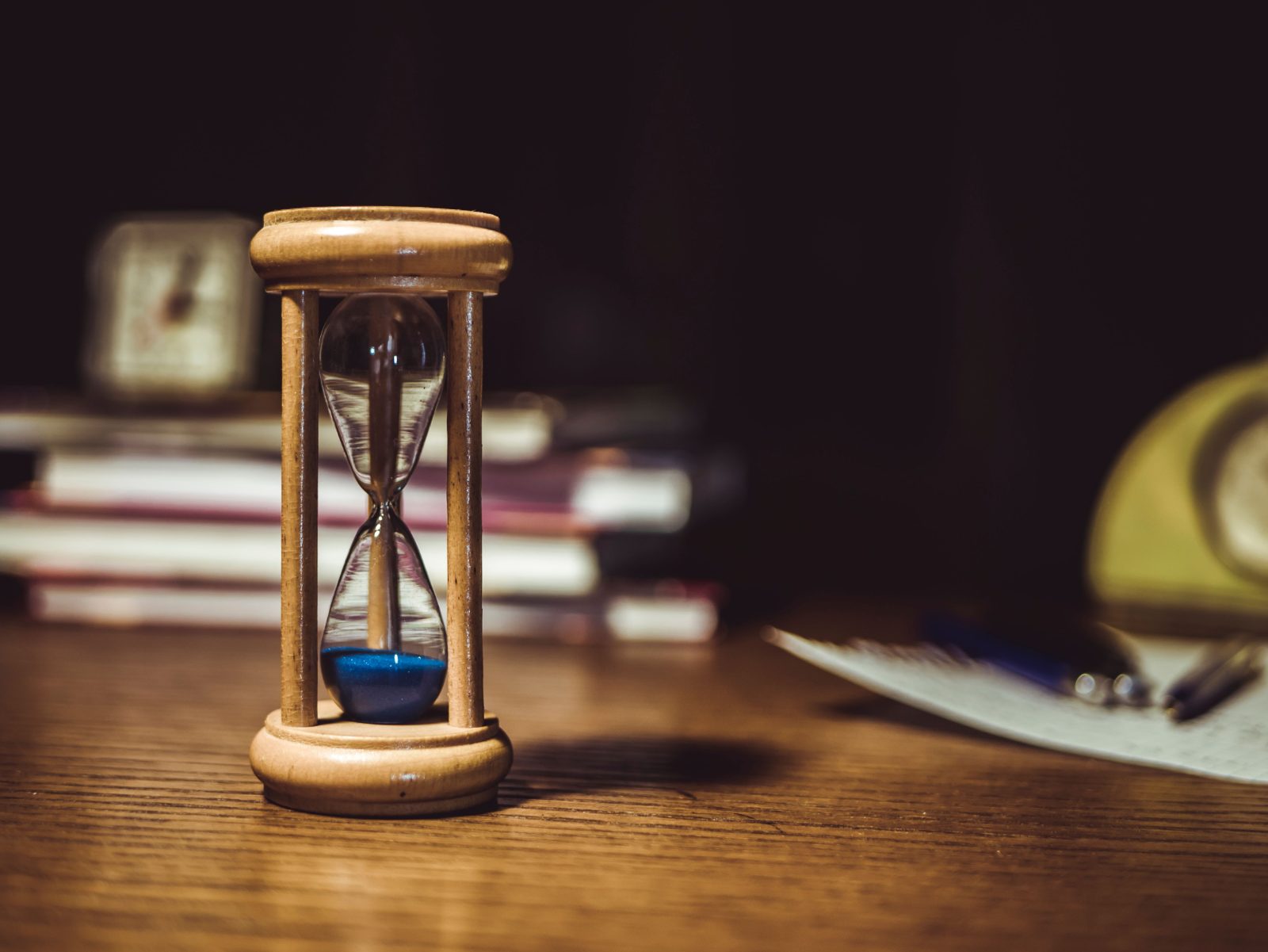
On a one- or two-person farm you are the planner, the picker, the packer, and the seller, sometimes all before lunch. Land, seed, and water matter, but the input you run out of first is time. The farms that make it are not the ones that work more hours; they are the ones that spend the hours they have on the work that pays.
Time is the input you cannot buy more of
You can order more seed, rent another bed, run the irrigation longer. You cannot add an hour to the day. On a small diversified farm that makes time the binding constraint on almost everything, and it is the one input most growers never actually budget.
The fix is not complicated, but it takes discipline: plan the day, the week, and the year, and then work the plan instead of the fire in front of you. The year plan tells you what goes in the ground and roughly when the money shows up. The week plan turns that into what has to happen in the next seven days. The day plan is the short list you actually execute. Without the three horizons, every morning starts from whatever feels most urgent, which is rarely what is most valuable.
Put a dollar value on your hour
Here is the exercise that changes how a season feels. Decide what your hour is worth. Take a number you would genuinely accept to do an hour of someone else's farm work, say 25 or 30 dollars, and use it as the yardstick for your own time.
Now every task has a price. Two hours spent hand-weeding a bed you could have flame-weeded in twenty minutes is not free; it cost you an hour and a half of your own labor at your own rate. This is not about guilt. It is about seeing clearly. Once your hour has a number on it, tasks sort themselves into work that earns more than it costs and work that quietly loses money.
Sort tasks by the income they produce
The next move is to rank the day's tasks by the income they actually generate, then do the earners first.
Harvesting for a standing wholesale order and getting to market on time earns money today: those hours turn directly into a deposit. Reorganizing the wash-pack shed at 2pm on a Saturday does not. It might feel productive, and a tidy shed is nice, but it did not put a dollar in the account this week. Do the high-value work first, while you have energy and daylight. Batch the low-income work into the edges of the day or the slow weeks. Delegate or cut what you can.
The point is not to never clean the shed. It is to stop letting shed-cleaning-shaped tasks push the market harvest to the afternoon when it should have gone out at dawn.
A few crops and a few Buyers pay most of the bills
Almost every small farm runs on some version of the 80/20 rule. A handful of crops throw off most of the revenue, and a handful of Buyers or channels account for most of the sales. The salad mix and the tomatoes might carry the season while a dozen minor crops each earn a rounding error. One restaurant and the Saturday market might be most of your income while six other outlets soak up disproportionate time for small returns.
You cannot weight your hours toward the crops and Buyers that pay unless you know which ones they are. Most growers have a gut sense and are half right; the beds they enjoy are not always the beds that earn. Getting the real ranking, by value rather than by affection, is what lets you decide where the extra hour goes.
The honest caveats
Two warnings, because this logic breaks if you push it too hard.
First, not all low-visible-income work is waste. Cover cropping, compost, tool maintenance, and record-keeping rarely show up as revenue this week, but they are investments that pay across seasons. A farm that only ever does the immediately-billable work runs its soil and its equipment into the ground. Value-per-hour is a tool for cutting genuine time-sinks, not an excuse to skip the slow, compounding work that keeps the farm alive.
Second, do not confuse urgent with valuable. Urgent is a phone ringing; valuable is money in the bank. Plenty of tasks feel urgent, an email, a supply run, a small favor, without producing anything. Some of the most valuable work, seeding the succession that feeds August sales, has no deadline screaming at you and so keeps getting bumped. Rank by value, then let urgency break ties, not the other way around.
How Plots.Farm helps
The whole approach depends on knowing what each crop actually earns, and that is exactly the number most growers are guessing at. Plots.Farm shows a per-crop value estimate, built from the market values you enter yourself, across the performance views. So the ranking of which crops and beds pay is sitting in front of you instead of living in your head. You can look at the season and see that the salad mix and tomatoes are carrying it, and weight your time accordingly.
That flows straight into the day. Your plan becomes a prioritized task list, so the work in front of you is tied back to the plan you set, not the fire that happened to start this morning. And at the season scale, the planning assistant, Steward, can optimize a plan toward a profit objective: it is the same "spend your hours where the money is" logic, applied to what you put in the ground before the season even starts. The tool will not decide your priorities for you, and it only knows the market values you give it. But it makes the earning visible, which is most of the battle.
Time is the input you run out of first, so treat it like money: price your hour, rank the work, and put your best hours on the tasks that pay.
Create your farm and see which crops are actually earning their beds.
Pass this to a grower who works dawn to dark and still cannot say which crop makes the money.