 plots
plots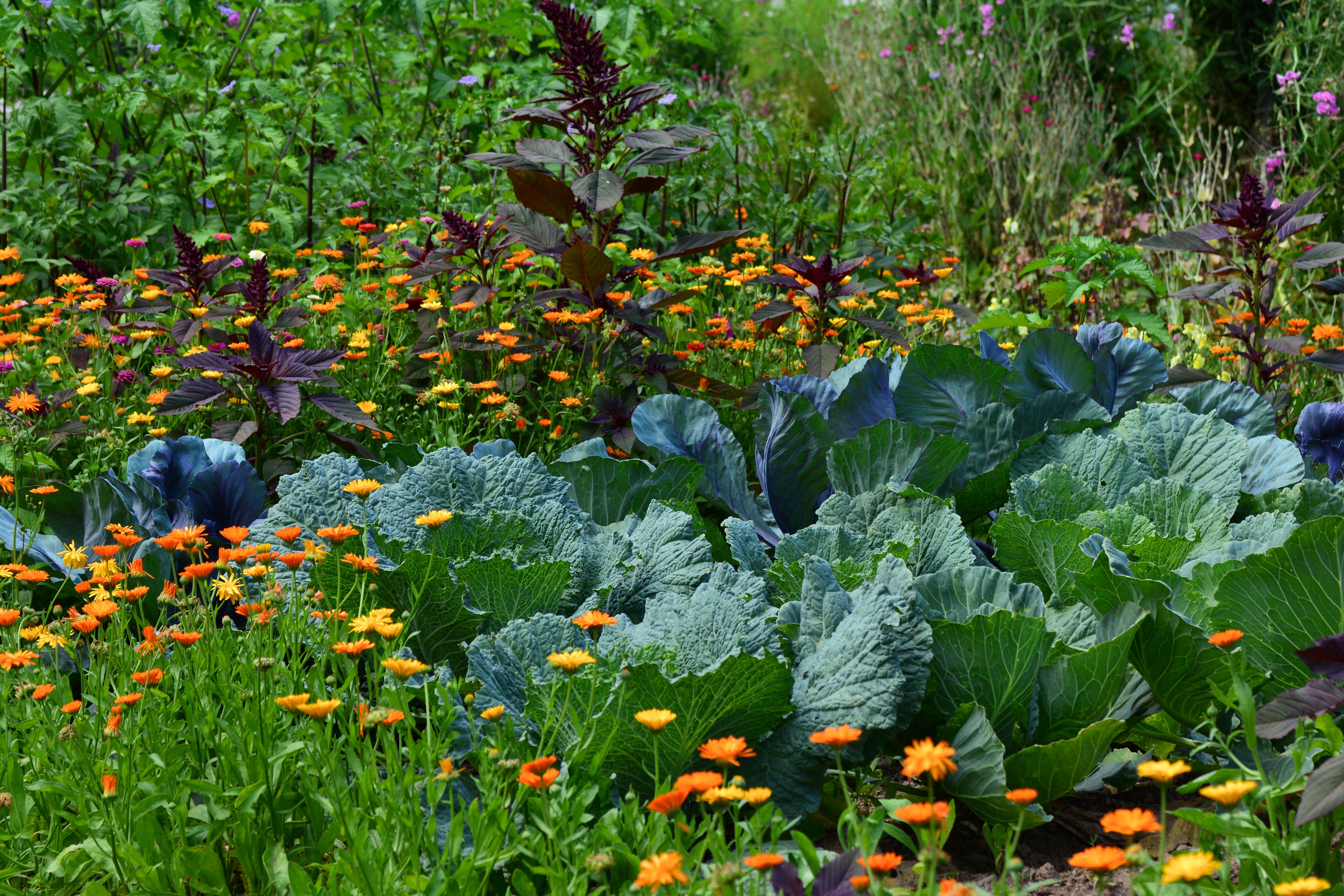
Most of us plant in clean blocks. A bed of tomatoes here, a bed of brassicas there, lettuce in its own row. It looks organized, and organized feels like control.
But every one of those beds has empty space in it: the gaps between plants, the strip down the shoulder, the bare soil for the first six weeks before the canopy closes. That space is irrigated, weeded, and paid for whether anything productive is in it or not.
Interplanting is the decision to put that space to work. You grow a second plant, sometimes a third, in the same bed, on purpose, because the two do something for each other. It is one of the few moves in a small garden that costs almost nothing and pays you back in more than one currency: fewer pests, fewer sprays, better soil, and more food off the same square footage.
Here is what it actually does, and what it actually saves.
The marigold question
Marigolds and nematodes is the example everyone has heard, and it is real, with a caveat worth knowing before you spend money on it.
Root-knot nematodes are microscopic worms that swell the roots of tomatoes, squash, okra, and carrots and quietly cut your yield. You usually do not see them until you pull a plant and find knotted, galled roots. For a small grower there is no cheap chemical fix; soil fumigation is an industrial-scale tool, not a market-garden one.
French marigold (Tagetes patula) is one of the few things that genuinely moves the count. Its roots release a compound called alpha-terthienyl that damages nematodes in the soil around them. The catch is that this only works where the roots actually grow. A few marigolds dotted around a bed for looks will not protect the bed. To get the benefit you plant them thick; a solid block, or a full bed grown as a one-season rotation before you put tomatoes back in. Varieties bred for the job, like 'Single Gold' or 'Nemagold', do it better than the bedding-plant mixes.
A $3 packet of French marigold seed, used as a planned rotation in a bed you know has nematode pressure, is the cheapest nematode tool a small grower has. Used as decoration, it is just decoration. Worth being honest about which one you are doing.
Let the pests pick the wrong plant
Some plants are simply more attractive to a pest than your crop is. Plant them on purpose, off to the side, and the pest goes there instead. That is a trap crop.
The clearest example is Blue Hubbard squash against squash bugs. Squash bugs, vine borers, and cucumber beetles all prefer Blue Hubbard to almost anything else. Six to eight Hubbard plants set three to eight feet from your main squash planting will pull the bulk of those pests off roughly a hundred plants. You scout the Hubbards, deal with the pests concentrated there, and leave your zucchini mostly alone.
Nasturtium does the same job for aphids near beans and brassicas. One honest warning: a trap crop you stop watching becomes a nursery. Check it, or it works against you.
Plants that hire bugs for you
The other way to handle aphids is to not handle them yourself. Sweet alyssum is a low, sprawling flower that produces small, accessible blooms that hoverflies and lady beetles feed on. The adults eat the nectar; their larvae eat your aphids. California lettuce growers interplant alyssum for exactly this reason, and the research backs it: a plant every several feet through a bed brings in enough hoverflies to hold aphids down without taking a meaningful bite out of your harvest.
You are essentially recruiting unpaid pest control and housing it on site. The cost is a packet of seed and a little planning. The alternative is a $20 bottle of spray and the afternoons it takes to apply it.
Two crops, one bed
Not all interplanting is about pests. Some of it is just refusing to waste space and time.
A bed of tomatoes or peppers spends its first six weeks as mostly bare soil. Slip in a fast crop: radishes, lettuce, baby greens, and you harvest it before the slow crop needs the room. The bare ground also stops being a weed seedbank, which is its own quiet saving.
The old "three sisters" planting is the same idea, refined over centuries: corn gives beans a trellis, beans pull nitrogen out of the air for the corn, and squash leaves shade the ground and choke out weeds. Three crops, one footprint, each doing a job the others would otherwise cost you money to do.
What it costs, what it saves
The honest accounting: interplanting is not free. It costs a few extra seed packets and the planning time to decide what goes where. A bed with two crops in it also takes slightly more attention to harvest.
Against that, look at what comes off the other side of the ledger. Fewer sprays, and the organic ones run $15 to $25 a bottle and need repeating. Less hand-weeding, because the soil stays covered. Nematode pressure managed for the price of a seed packet instead of going untreated. More pounds of food off the same irrigated, weeded, paid-for square footage. None of those is dramatic on its own. Added across a season, on a half-acre, they are the difference between a bed that breaks even and one that pays.
How to start
Pick one bed. Put a fast crop between a slow one: radishes in with the tomatoes is the easiest first move, and you will see it work in three weeks. Add one trap crop near whatever got hit hardest last year. If you have a bed you know is nematode-ground, plan a marigold rotation for it next season.
Then track it the same way we track everything else: what you spent, what you sprayed, what you pulled off the bed. One season of that turns interplanting from a piece of garden folklore into a line item that earns its place.