 plots
plots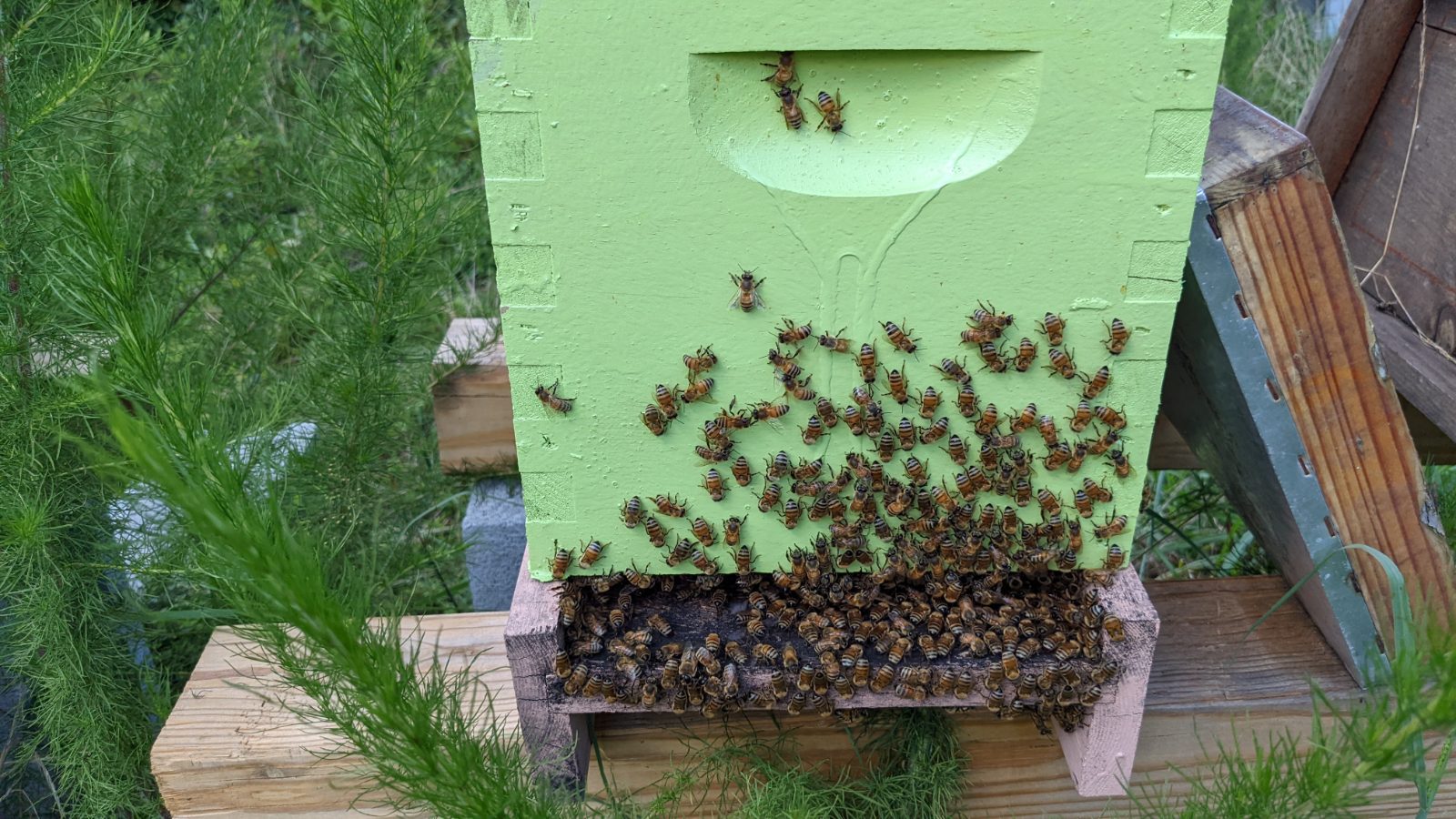
You know that thing where the little squash forms behind the flower, gets to about thumb size, goes soft and yellow, and drops off? You probably blamed your watering. Or your soil. Most people do.
It's usually the bees. Or the lack of them.
Pollination is an input. Same as water. Same as nitrogen. We just don't think of it that way because we're not the ones doing the work, so it's easy to treat bees as background scenery. On the crops that actually need them, they're not scenery. They're the whole ballgame.
The crops that live and die on bee visits
Here's the part that surprised me when I first understood it: a squash flower needs to be visited several times to make one good fruit. Not once. Several. A bee has to keep coming back and dropping off pollen, flower after flower, or the fruit doesn't fill.
Skimp on that and the plant tells you exactly what happened.
Cucumbers curl. A straight cucumber is a fully pollinated one. That pinched, comma-shaped cuke that looks like it gave up halfway? Partial pollination. The seeds only formed on one side, so only that side grew.
Melons come out small and lopsided for the same reason. Strawberries and blueberries too. A berry is really a bunch of tiny ovules that each need their own grain of pollen, and if half of them get missed you get a runty, one-sided berry. Ever notice how the ugliest strawberries are always lopsided, never just uniformly small? That's pollination, not genetics.
Apples and plums add another wrinkle. A lot of them can't pollinate themselves at all. They need pollen from a different variety, which means a bee has to physically fly from that tree to this one during the week or so it's blooming. No bee, no apple. It's that blunt.
Native bees are great. They're also not on call.
Quick thing people get wrong: honey bees aren't even the best pollinators. Native bees, the mason bees and bumblebees and the little sweat bees you barely notice, often do more per bug. Bumblebees will work in weather that keeps honey bees inside.
So why bother with honey bees at all?
Because you can't summon native bees. You can't call up a supplier and get more of them delivered to your melon patch for the ten days it's flowering. You can make your farm friendlier to them over time, and you should, but you can't dial them up on demand.
Honey bees you can. That's the entire pitch. A hive is thirty or forty thousand foragers you can put in a specific spot at a specific time. When your big pollination-hungry crop hits full bloom, that's when you want the extra bodies, and honey bees are the only ones you get to schedule.
You don't have to become a beekeeper
People talk themselves out of bees because they picture suits, boxes, and a hobby that kills half its hives the first winter. Fair, because a hive really is an animal: mites, swarms, winter losses, real money and years of learning to keep one alive. So don't take that on unless you actually want it. If you just want the pollination, rent it. Find a local beekeeper and let them park a few hives on your land during bloom. It's a good deal for both of you and wildly underused; they're always hunting for safe spots with clean forage and no spray, and you get thirty thousand foragers without owning a single bee. Go to your county bee club, say you've got flowering crops and a quiet corner, and watch how fast someone says yes. Keep bees because you want to keep bees. Rent them if you just want the fruit set.
Help the free bees, and know where none of it matters
Before you add a hive, do the cheap stuff, because it helps the wild bees already working your beds for nothing. Keep something in bloom all season, this is the big one: a farm that flowers hard for three weeks and then goes green is starving its pollinators the other five months, so let some crops bolt and stagger a few flower strips. Put out water, a shallow pan with stones to land on, topped up in dry spells. And stop spraying open flowers, even the organic stuff, because "OMRI listed" does not mean "safe to dump on a bee." If you have to spray, do it at dusk when the blooms have closed and the foragers are home.
Then know where bees do nothing. They will not fix your tomatoes, which pollinate themselves with a shake from the wind. Peppers, eggplant, beans, and corn are the same story, and your lettuce, kale, and carrots get harvested long before they'd ever flower. So if you had a great tomato year, don't thank the bees. They weren't involved.
How Plots.Farm helps
The whole thing comes down to timing, and timing is exactly the part that falls apart in your head over a long season. The forage has to be blooming when the melons are blooming. The rented hives are only worth having during the window that actually matters. Miss the overlap and you paid for bees that showed up to a party that already ended.
That's the boring logistics Plots.Farm is built to hold for you. Steward, the planning assistant, can build a season around a pollinator objective, and the crop library lets you lay out forage and flowering so there's always something open near the crops that need visits. Then your observations track bloom and bee traffic bed by bed, so next spring you're working from what actually happened instead of a vague memory of "the squash did badly, I think." And if you do end up with honey, it goes out through the same store as your vegetables.
Figure out which of your crops actually depend on bees. Get the forage timed to their bloom. Protect the natives, rent or keep honey bees only where they pull their weight, and quit worrying about it on the crops that couldn't care less.
Create your farm and map a season that stays in bloom.
Send this to the friend whose squash keeps dropping little yellow fruit and blaming the weather.