 plots
plots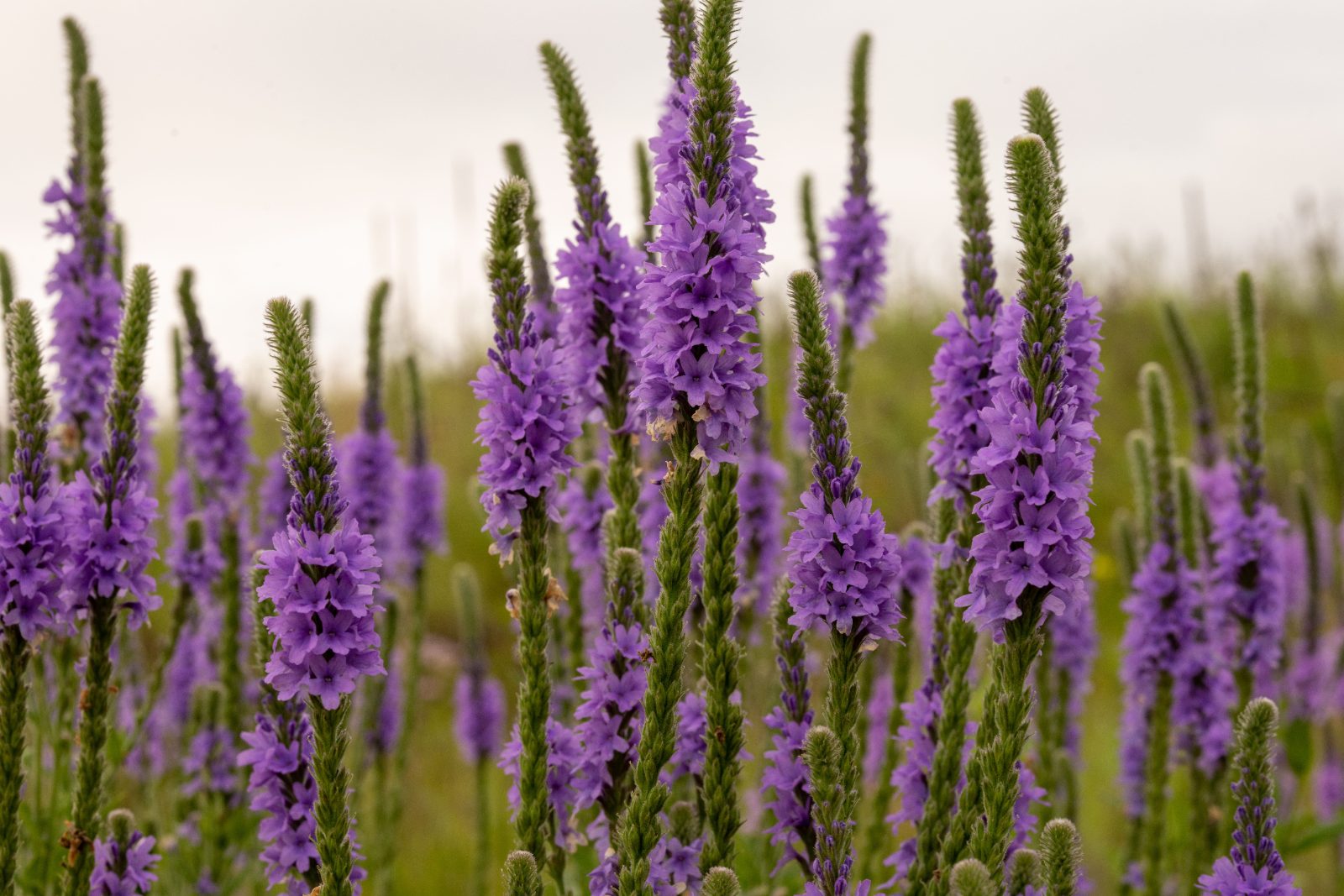
These two often get lumped together as "the good-for-the-land plants," but they do different jobs and you buy and plant them differently. Native plants build the habitat around your beds. Cover crops build the soil inside them. Both are worth doing, and both are easy to do badly, so here is how we source them and get them established.
Two different jobs
Natives feed pollinators and beneficial insects and hold soil on the edges, banks, and buffers of your farm. They are a long game: a native perennial border is a permanent investment in the insects that pollinate your crops and eat your pests. Cover crops are a rotation tool: they feed and protect the soil in the gaps between cash crops, then you kill them and plant into the residue. One is furniture, the other is a working shift.
Where to buy natives, and why the source matters
Buy natives from native-plant nurseries, native plant society sales, and reputable seed houses that specialize in wild species. The seasonal plant sales run by a state or regional native plant society are often the best value and the best genetics you will find anywhere.
The source matters more than it looks. A lot of big-box "native" plants are cultivars selected for looks, or they are grown from seed collected far from your region, which means the local genotype, the one actually adapted to your rainfall and your insects, is not what you are getting. Check regional lists before you buy. A state native plant society or the Xerces Society will tell you which species belong in your area and which nurseries carry the real thing.
Plugs establish faster than seed. A small potted plug already has a root system and a head start, so for most growers putting in a border or a buffer strip, plugs are the lower-risk choice than direct-seeding a wild meadow. Plant in fall or early spring while the soil is cool and moist, and water through the first season. That first-year watering is not optional; even drought-tolerant natives need help getting established.
Where to buy cover crop seed
Cover crop seed comes from farm-seed suppliers, not the garden-center rack. Johnny's, Green Cover, and a local farm co-op are the usual sources, and buying from a real seed supplier means you get the right species at a price that makes sense by the pound rather than by the tiny packet.
A few reliable choices cover most situations. Buckwheat is the fast summer smother crop: it germinates quickly, shades out weeds, flowers for pollinators, and is easy to kill, all in about six weeks. Crimson clover and hairy vetch are legumes that fix nitrogen, good for feeding the soil ahead of a hungry crop. Cereal rye is the workhorse winter cover: sown in fall, it survives the cold, holds the soil through winter, and produces a lot of biomass to mow or crimp in spring. Pick by the job and the season, not by what is on the shelf.
Getting either one growing
Establishment is where most of the failures happen, and the fixes are simple.
For cover crops, seed at the labeled rate. Underseeding gives you a thin, weedy stand that does not smother anything; the rate on the bag is there for a reason. Get good soil contact by raking or rolling the seed in, not just tossing it on top where it dries out or feeds the birds. Then, and this is the part people skip, have a termination plan and use it before the crop sets seed. Mow, roll and crimp, or tarp it down while it is still green, before the seed heads mature. A cover crop you let go to seed has just become next year's weed in that bed.
For natives, patience is the plan. Water the first season, keep aggressive weeds off the young plants while they establish, and resist the urge to declare it a failure in year one. Which brings us to the caveats.
Honest caveats
Neither of these is instant, and both bite back if you skip a step.
Natives are slow the first year. The old nursery saying is "sleep, creep, leap": year one they sleep and put down roots while looking like they are doing nothing, year two they creep, and year three they finally leap and fill in. If you judge a native planting by its first summer, you will rip out plants that were about to succeed. Give them the three years.
Cover crops need a termination plan or they become the weed. Cereal rye that goes to seed, vetch that sets pods, buckwheat that drops a second generation, any of them can reseed into your cash crop and turn a soil-building tool into a management headache. Decide how and when you will kill it before you sow it.
And the timing windows are tight. Buckwheat wants warm soil and a frost-free run to flower. Cereal rye wants to go in with enough fall warmth to establish before winter. Fall-planted natives want to be in early enough to root before hard freeze. Miss the window and you either get poor establishment or you wait a full season for the next one. This is a plan-ahead job, not a fit-it-in-when-you-remember job.
How Plots.Farm helps
The reason cover crops so often get skipped is that they live in the gaps, and gaps are exactly what falls out of a plan you keep in your head. Plots.Farm's crop library includes cover crops, and the plan-health rules are cover-crop-aware, so you can slot a cover crop into a bed's gap between cash crops and see it sitting right there on the same calendar as everything else. That gap between the spring lettuce and the fall brassicas stops being dead time and starts being a buckwheat or a clover you actually planned.
The planning assistant, Steward, can plan toward a soil-building objective, which is where cover crops earn their place in the rotation instead of being an afterthought you feel guilty about. Set the goal, and the plan puts the soil work where it belongs.
Sourcing well and planting on time is most of the battle for both. Buy natives regionally, buy cover seed from farm suppliers, and put a termination plan on the calendar before you sow.
Create your farm and slot a cover crop into your next bed gap.
Pass it to a grower whose beds sit bare between plantings.