 plots
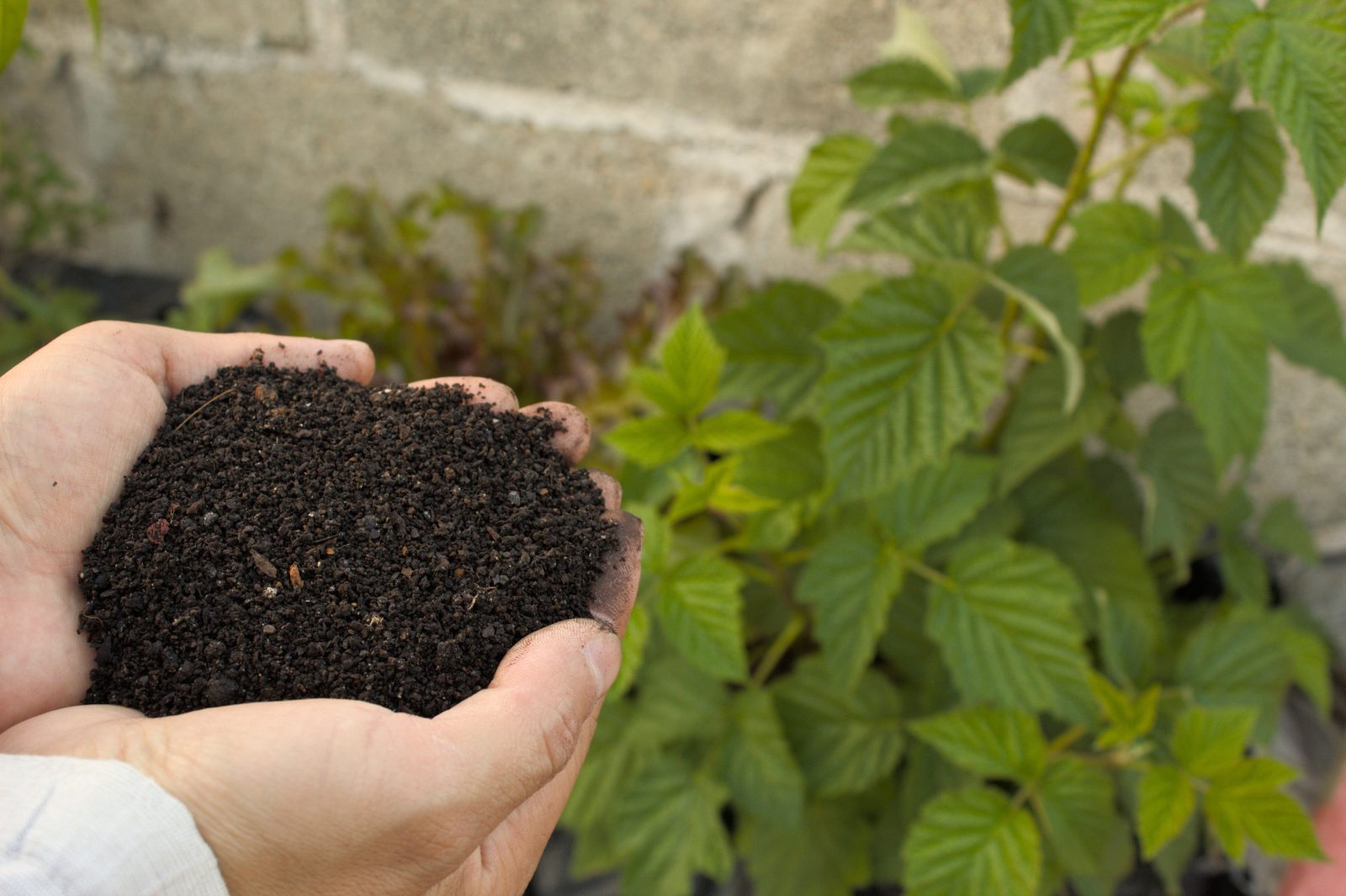
The organic-versus-synthetic argument usually gets fought on ideology, and that is the wrong ground for it. The useful question is simpler: what are you actually feeding? Synthetic fertilizer feeds the plant. Organic fertilizer feeds the soil, and the soil feeds the plant. Once you see it that way, the choice stops being a moral test and starts being a matter of picking the right tool for the job in front of you.
Synthetic feeds the plant directly
A bag of synthetic fertilizer is a delivery system for soluble nutrients. When you dissolve a soluble nitrogen source in the soil water, the roots take it up almost immediately. That is the whole appeal: it is fast, it is precise, and per pound of actual nitrogen it is cheap. If your lettuce is pale and stalling in week three and you need it to move now, a measured shot of soluble nitrogen will green it up within days.
The flip side of that speed is that it is easy to overdo. Because the nutrient is already plant-available, there is no buffer between what you apply and what the plant sees. Too much at once burns roots and pushes soft, sappy growth that pests find attractive. It also leaches: what the roots do not grab in the first days can wash below the root zone with the next heavy rain, which is both wasted money and a water-quality problem. And a bag of soluble salts does essentially nothing for organic matter or the microbial life in your soil. It feeds this crop, not next year's ground.
Organic feeds the soil first
Compost, aged manures, seed meals, and cover crops work through an intermediary: soil biology. Most of the nitrogen in a seed meal or a compost pile is not plant-available on the day you spread it. Microbes have to break it down and release it, which happens over weeks and depends on soil temperature and moisture. That is slower and less precise than a soluble feed. You cannot dial in an exact rate the way you can with a synthetic, and cold spring soil will hold the release hostage until it warms.
What you get in exchange is real. That same slow breakdown builds organic matter, feeds the microbial and fungal networks that make nutrients available in the first place, improves how the soil holds water, and is very hard to burn a crop with. You are investing in the ground itself, not just this planting. Over several seasons of compost and cover crops, growers usually notice beds that drain better, crust less, and need less fertilizer input per season to hit the same yields.
The cost math runs the other way from synthetic. Per unit of actual nitrogen, organic sources are more expensive and bulkier to handle. A full soil-building program is a slower and pricier path to the same nitrogen number on paper. What it is buying is not on that paper.
Neither one is magic
It helps to be blunt about the limits on both sides, because the marketing on each is loud.
"Organic" does not automatically mean safe or low-impact. Over-applied manure leaches nitrogen and phosphorus into waterways just like a synthetic does, and raw manures carry food-safety timing rules for a reason. Piling on compost year after year without testing can push phosphorus far past what your crops can use. Organic inputs are inputs, and inputs can be overdone.
Synthetics are not poison, but the soluble salts do need care around soil biology, especially in the concentrated band right where you place them. Repeated heavy synthetic-only use, with nothing going back in as organic matter, tends to leave ground that is harder, hungrier, and more dependent on the next bag. And if you plan to sell as certified organic, synthetics are simply off the table under the certification rules; that is a market decision, not an agronomic one, and worth separating out from the feeding question.
Soil test first, then decide
Before you reach for either bag, get a soil test. This is the step that turns the whole debate from guessing into correcting. A test tells you what is actually short, what is already plentiful, and where your pH sits, and pH controls whether the nutrients already present are even available. Adding nitrogen to a bed that is short on potassium, or dumping more phosphorus onto ground that already tests high, is money spent solving a problem you do not have.
With numbers in hand, the two approaches stop competing and start dividing the labor. A mid-season nitrogen correction on a heavy feeder that is visibly stalling is a job synthetic does well: fast, targeted, cheap. Long-term fertility, tilth, and water-holding are jobs organic does well: slow, cumulative, durable. Plenty of growers run exactly that split. They build an organic base with compost and cover crops for the soil, then keep a targeted feed on hand for the moment a specific crop needs a push the biology will not deliver fast enough.
Close the loop by writing it down
The reason this stays a guessing game for so many growers is not the chemistry. It is memory. You amend a bed in April, harvest in July, and by the following spring you genuinely cannot recall what went where, at what rate, and whether the crop responded. So you repeat last year's habit instead of last year's evidence. A soil test you cannot connect to an outcome is just a page of numbers.
How Plots.Farm helps
Plots.Farm lets you record your soil tests and log each fertilizer or amendment application against the specific planting or bed it went on. When you later note in your observations that a bed's tomatoes sized up well, or that a lettuce succession stayed pale despite a feed, that note sits next to the actual record of what you applied and when. Over a couple of seasons that turns into a real feedback loop: you can see which beds responded to the organic base, where a targeted synthetic correction actually earned its cost, and which amendment you can stop buying because the numbers never moved. It does not tell you organic or synthetic is right. It just makes sure that next year's decision is grounded in what your ground actually did, instead of what you half-remember doing to it.
Get a soil test, then log what you feed and how the crop answered, so next season's plan is built on evidence instead of habit.
Create your farm and start tying your amendments to your outcomes.
Pass it to a grower who is still buying the same fertilizer every spring out of habit.