 plots
plots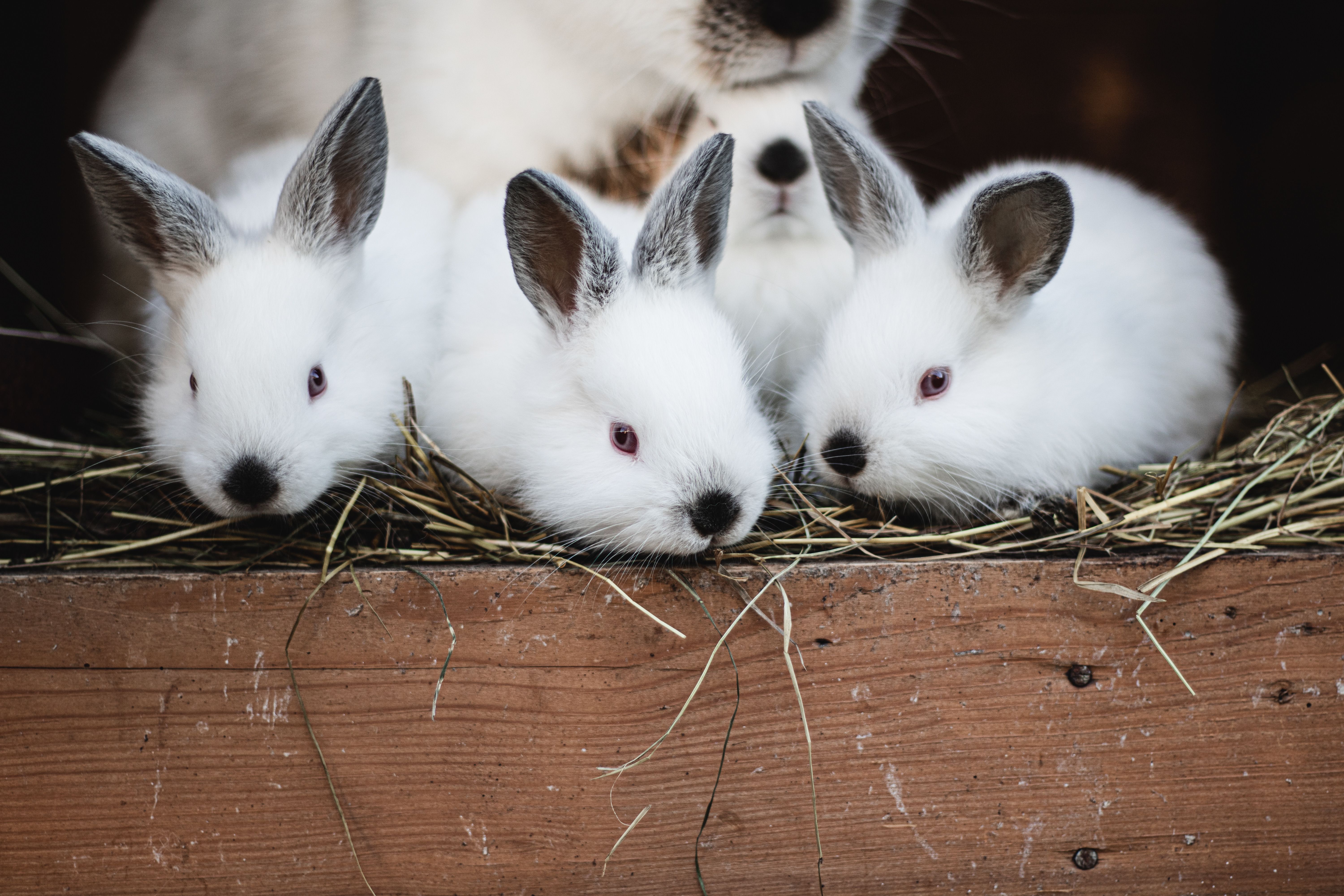
If you keep rabbits, there is a pile building up under the hutch right now that most people rake into the compost and forget about. Those little pellets, and the worm castings that collect in the bedding underneath them, are one of the best free feeds a market garden has. You do not have to compost them for months first, and you do not have to buy anything to turn them into a mild liquid fertilizer. You just add water.
Why rabbit manure is different
Most manures need to age before they touch a plant. Chicken and horse manure are "hot," meaning they are high enough in fast-releasing nitrogen and ammonia that fresh applications will scorch roots and burn foliage. That is why the usual advice is to compost them for six months or more before they go anywhere near a bed.
Rabbit manure is a "cold" manure. The nitrogen is bound up in a slower-releasing form, so fresh pellets sitting on the soil surface will not burn a crop the way fresh chicken litter will. That single trait is what makes rabbit manure so useful to a small grower: you can apply it with almost no processing.
On top of being gentle, it is also concentrated. Rabbit manure generally runs higher in nitrogen, phosphorus, and potassium than cow or horse manure. Published figures vary a lot with diet and bedding, but the pattern holds across sources: pound for pound, you get more of the three main nutrients out of rabbit pellets than out of the larger grazing animals. For a grower running intensive beds where every square foot is working, that density matters.
What "rabbit tea" actually is
Rabbit tea is exactly what it sounds like. You steep the pellets in water until the water takes on the color and some of the nutrients, then you pour that liquid onto your crops. It is a way to spread a small amount of a concentrated input evenly across a lot of plants, and to get the nutrients into a form the roots can take up quickly.
There is a bonus layer to it. If your hutches sit above the ground with a bit of bedding or straw underneath, worms tend to move in and work the droppings. What collects down there is a mix of pellets and worm castings, and castings are a gentle, microbe-rich amendment in their own right. Scoop from that layer and you are steeping two good things at once.
How to brew it
The recipe is forgiving, which is part of the appeal. A rough starting point:
- Drop about a shovelful of pellets (and the castings under them) into a five-gallon bucket of water.
- Let it steep one to three days. Give it a stir once a day if you walk past it.
- Strain off or dip out the liquid. It will look like strong tea.
- Dilute it down until it is the color of weak tea, roughly light amber, before you apply it.
- Pour it into the root zone, not over the leaves. Every couple of weeks through the growing season is plenty.
A few practical notes. Watering the root zone rather than the foliage keeps you from coating edible leaves with manure water and lowers the risk of leaf disease from staying wet. The dilution step is the one people skip and regret; undiluted steep is stronger than your crops need and wastes the batch. And a lidded bucket in a shady corner is more pleasant to live next to than an open one in the sun, for reasons the next section covers.
Rabbits right alongside the beds
Rabbit tea is not a niche trick. It fits a pattern a lot of diversified small farms already run, which is keeping a few rabbits right next to the vegetable beds. The animals give you meat, manure, and in some cases fiber, and the manure closes a loop that would otherwise mean buying fertility in by the bag. A hutch or two at the end of a bed run is a modest footprint that keeps producing a useful input every week of the year.
That colocation is the whole reason the fertilizer is "free." You are already feeding the rabbits and cleaning under them. Steeping what you clean out is a few extra minutes, not a new enterprise.
Honest caveats
Rabbit tea is a supplement, not a fertility program. It is a nice regular feed on top of good compost, cover cropping, and whatever your beds actually need. It will not correct a real deficiency on its own, and it will not tell you what your soil is short on. Get a soil test before you build a plan around any input, tea included, so you are feeding the gap rather than guessing.
Do not overdo the nitrogen. Because rabbit manure is concentrated, it is easy to push leafy growth at the expense of fruit if you feed heavy crops too often. Weak tea, every couple of weeks, is the guardrail.
Keep basic food safety in mind. This is raw manure in water going onto food crops. Aim it at the root zone, avoid splashing the edible parts, and wash your produce well before it goes to a Buyer or onto your own table.
And be honest with yourself about the smell and the handling. A steeping bucket of manure water is not fragrant, and you are working with wet manure. A lid, a shady spot, and a dedicated bucket you do not use for anything else make it a much better neighbor.
How Plots.Farm helps
The hard part is rarely brewing the tea. It is remembering which beds you fed, when, and whether the crop actually responded. Plots.Farm has a livestock and rabbitry module built for exactly the small diversified farms that keep rabbits alongside the beds, with a herd registry, breeding records, and individual-animal outcomes, so the animal side of the operation is tracked in the same place as the crops.
On the crop side, you can log a fertilizer or amendment application against a specific planting or bed, so a rabbit-tea feeding is recorded where you can see it. Over a season that gives you a real picture: which beds got fed and when, paired with the observations you log about how each crop responded. Instead of "I think I fed the tomatoes a couple weeks ago," you have the date, the bed, and the note next to it.
Steep a bucket, dilute it to weak tea, and feed the root zone every couple of weeks; then write down which bed got it so next season you know what worked.
Create your farm and log your first feeding against the bed that got it.
Pass this to a grower who keeps rabbits and rakes the good stuff into the compost.