 plots
plots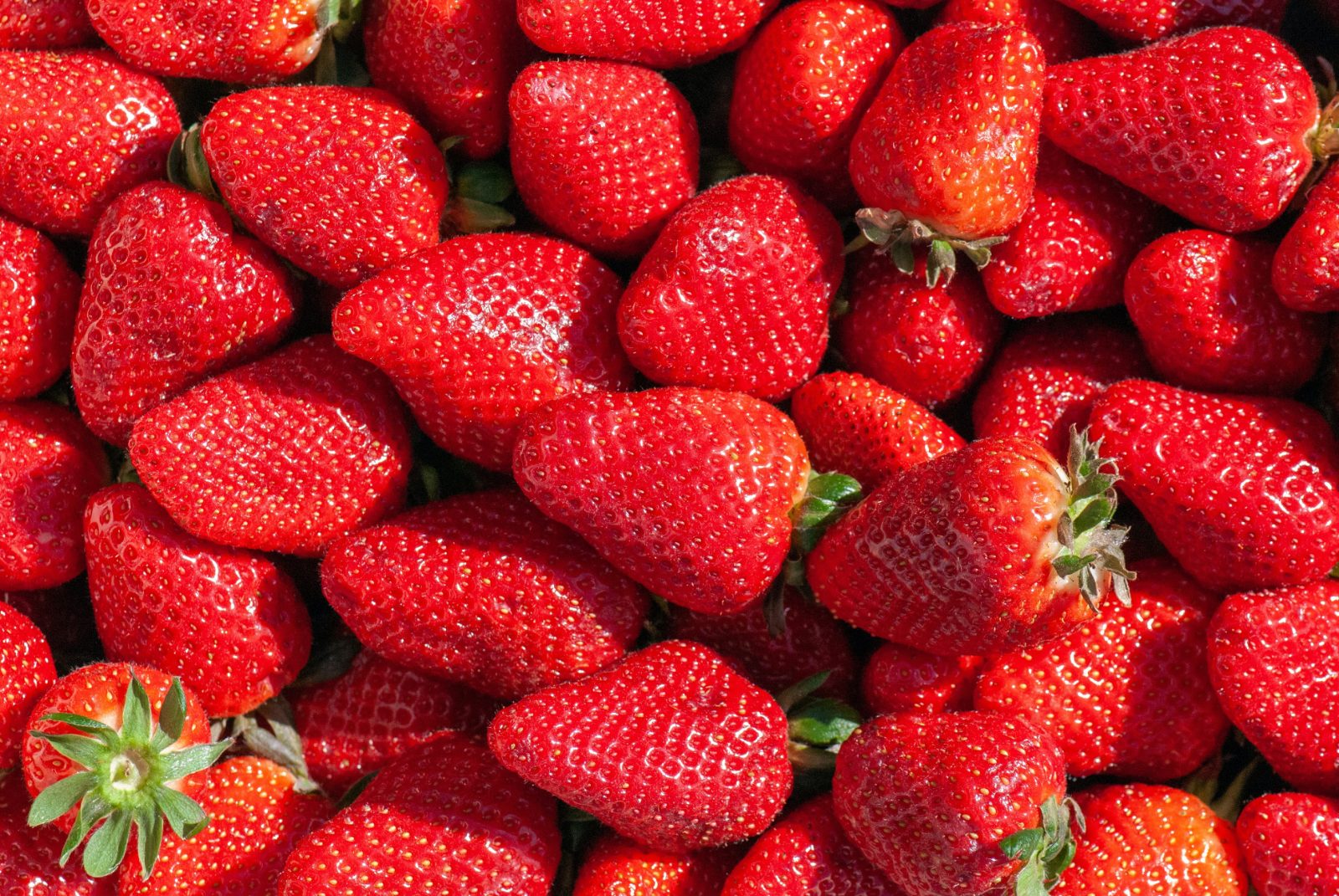
Harvest is usually a grower's single biggest labor cost. U-pick takes that cost and hands it to the customer, who is happy to do the work because they are not really buying produce; they are buying an afternoon. That inversion is why an old farm model is quietly working again for small diversified operations.
U-pick flips who does the picking
On most crops, picking is the most expensive hour of the season. It is slow, it is repetitive, and it lands right when you are busiest. U-pick removes it from your payroll entirely: the customer walks the rows, fills the flat, and pays you for the privilege. You are selling the same berries, but you are no longer paying anyone to pick them, and the person who does the picking is paying to be there.
That is the whole trick, and it is a good one. A family will spend three hours in a strawberry patch and leave having paid real money, thanked you on the way out, and picked more cleanly than a rushed crew, because it is their afternoon and their berries.
Why it is working now
People want a connection to where their food comes from, a reason to get the kids outside, and something worth photographing. U-pick delivers all three in one visit. The farm becomes a destination, not just a supplier, and the visit is the product as much as the produce is.
That shift matters for a small grower. You are no longer competing with the grocery store on price per pound. You are selling an experience the grocery store cannot, and people will pay a premium for it and drive to reach it. The photos they share on the way home are marketing you did not have to buy.
The shapes that work
U-pick does not suit every crop, but the ones it fits, it fits well:
Berries, above all: strawberries and blueberries are the classic draw, easy to pick, forgiving, and beloved.
Cut flowers and sunflower fields, where the pick-your-own bouquet visit is as much about the photos as the stems.
Fall pumpkins and corn mazes, the whole October agritourism machine, where the pumpkin is almost a souvenir of the day out.
Lavender, which sells the experience, the scent, and the picture as much as the plant.
The common thread: crops that are pleasant to pick, hold up to foot traffic, and pair with a reason to linger and spend.
The economics, honestly
The money works in three layers. You save the harvest labor, which is the big one. You sell at or above retail, because the experience carries the price rather than the commodity. And you capture on-farm spend beyond the crop itself: the cider, the jam, the bouquet wrap, the bag of the thing they did not come for but bought anyway.
Stack those and a u-pick block can out-earn the same ground sold wholesale by a wide margin, on less of your own labor. That is a rare combination in vegetable farming, and it is why growers who have the site and the temperament for it keep the gate open.
The caveats, which are real
None of this is free, and the costs are the kind that can sink a season if you ignore them.
Liability and insurance come first. You are inviting the public onto working ground with uneven footing, water, and equipment nearby. You need the right coverage, and you need to talk to your insurer before you open, not after someone twists an ankle.
Then the logistics: parking, signage, and set hours. A u-pick without a plan for where cars go and when people can come turns into chaos fast, and chaos on a farm is dangerous as well as unpleasant.
Then the crop losses. Customers trample, over-pick, under-pick, and eat as they go. Budget for it. A u-pick field is not a wholesale field; a share of the crop is simply gone to the experience, and that is a cost of doing this kind of business.
Weather is the wild card. A rained-out Saturday in peak pumpkin season is lost revenue you cannot make back, because the crowd and the crop both had a narrow window.
And plainly, not every crop or site suits it. If you are far from population, on a busy road with nowhere to park, or growing crops that bruise or hide, u-pick may cost more than it returns. Be honest about your farm before you commit.
How Plots.Farm helps
The sharpest edge of u-pick is the one you cannot control: weather and no-shows. You do the work to open the field, and a wet forecast empties the parking lot. The fix is to get paid before the day, not on it.
Plots.Farm gives your farm a branded public page and an online store, so you can pre-sell the visit itself: u-pick admissions, flower-share tickets, a booked pumpkin slot for a Saturday in October. Payment comes in up front through the integrated Stripe checkout, which means a rained-out day still has revenue attached to it and a no-show has already paid. It does not make the weather cooperate, but it moves the risk off the single day and onto a booking made a week earlier.
And because Buyers get accounts, the first-time visitor who booked a strawberry morning is not a stranger who vanishes at the gate. They are a contact on your farm, someone you can reach when the blueberries come on or when next season's pumpkin bookings open. One good afternoon becomes a customer you can bring back, which is the part of u-pick that compounds.
U-pick works when the customer does the picking and pays for the day; the way to protect it is to sell the visit before the visit.
Create your farm and pre-sell your first u-pick weekend.
Pass this to a grower who is sitting on a berry patch and a good location.