 plots
Field notes
Notes from the field, the greenhouse, and the back office.
farm finance · 5 min
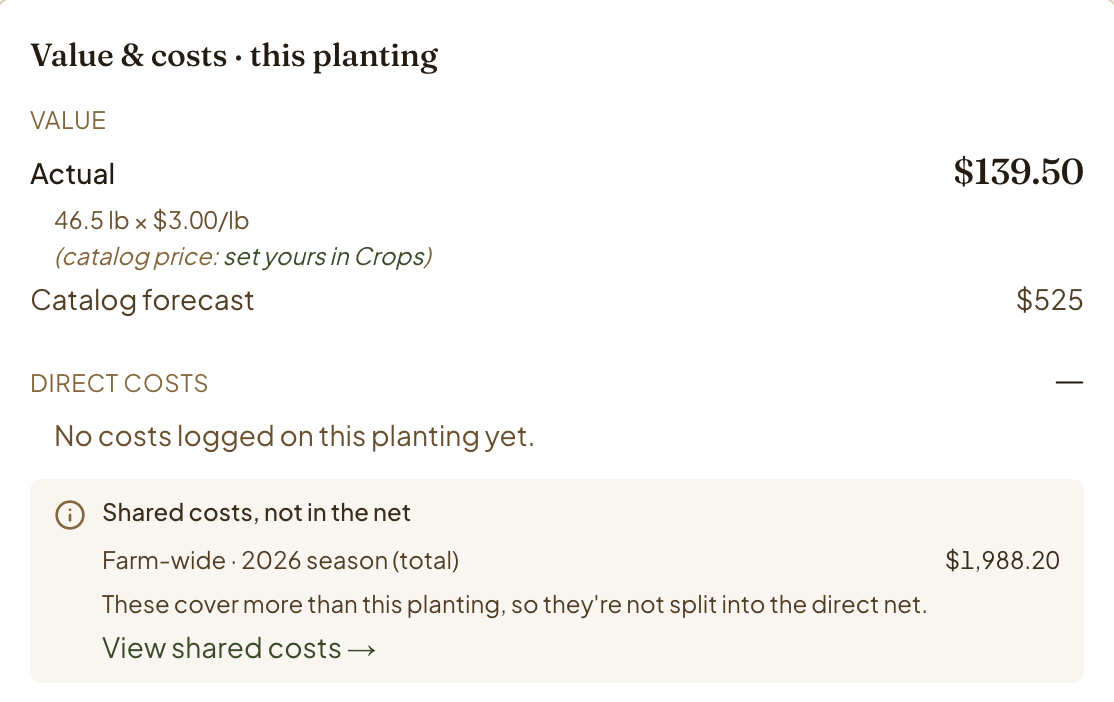
The Question Most Growers Cannot Answer: What Is My True Margin Per Bed?
Ask a grower how the farm did this year and they'll tell you the top-line: total sales, whether it was a good year or not. Ask them which bed made money and which lost some, and the room goes quiet.
invasive species · 6 min
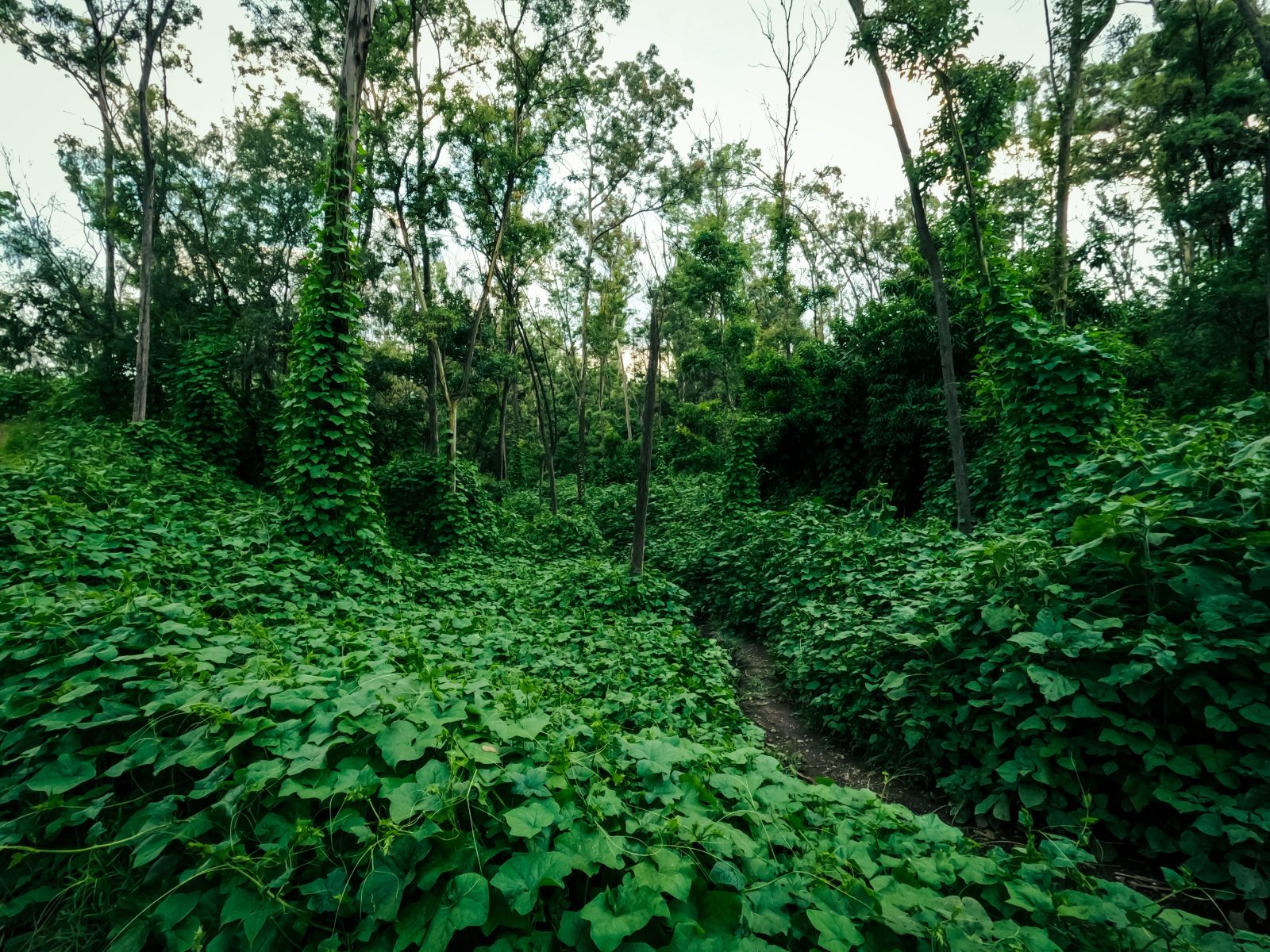
Pulling the Invaders: Mechanical Control of Mimosa, Privet, Ivy, and Princess Tree
What invasive plants share is the reason they are a problem: they spread by prolific seed and by root or runner, and they shade out and replace natives fast.
soil health · 6 min
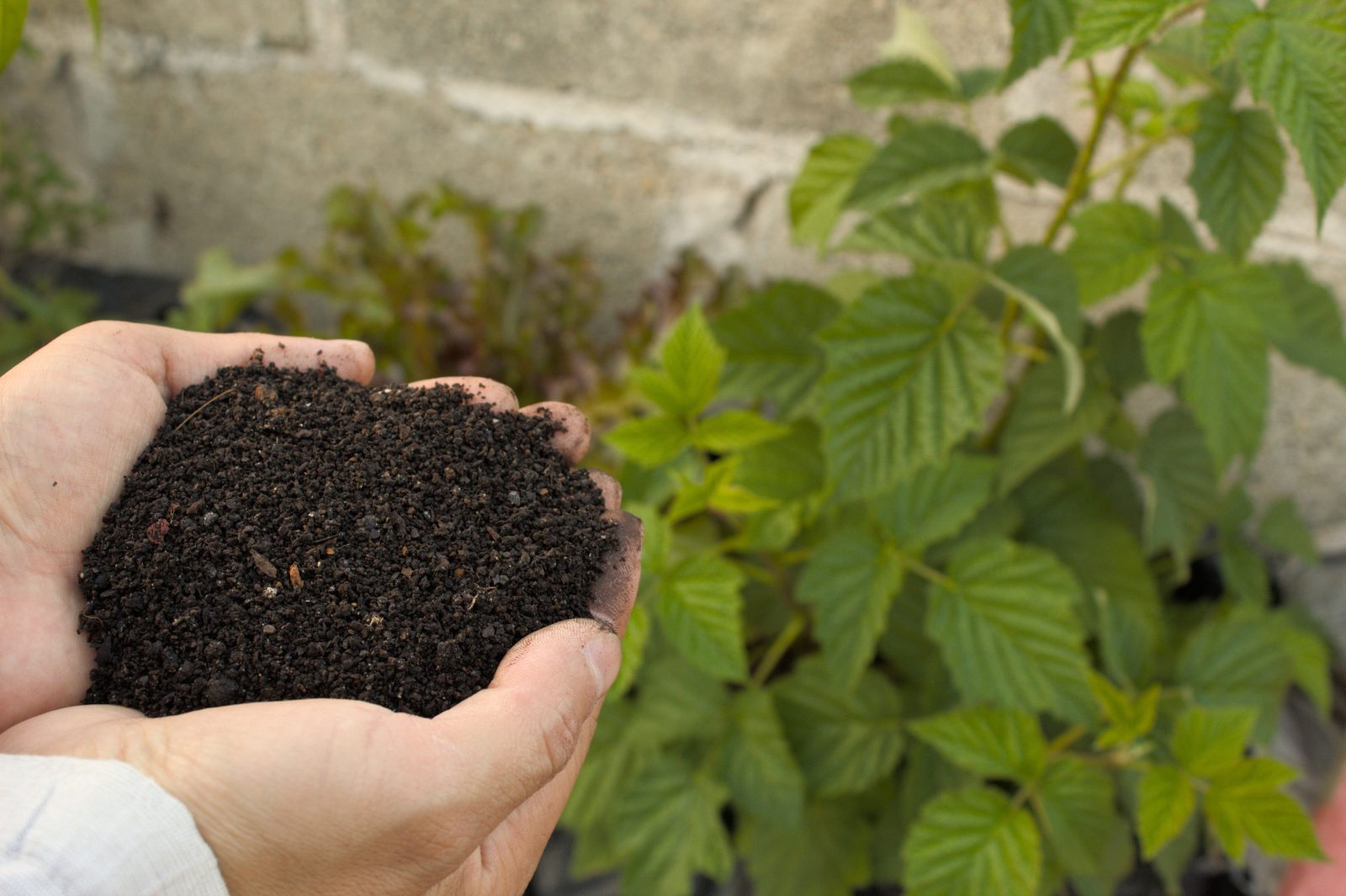
Organic or Synthetic: What Actually Feeds Your Soil and Your Crop
Synthetic fertilizer feeds the plant. Organic fertilizer feeds the soil, and the soil feeds the plant. Once you see it that way, the choice becomes a matter of picking the right tool for the job.

market gardening · 6 min
Write It Down: Turning Field Notes Into Better Decisions Year Over Year
The notes worth keeping are the ones you will hold up against each other next year
csa · 6 min
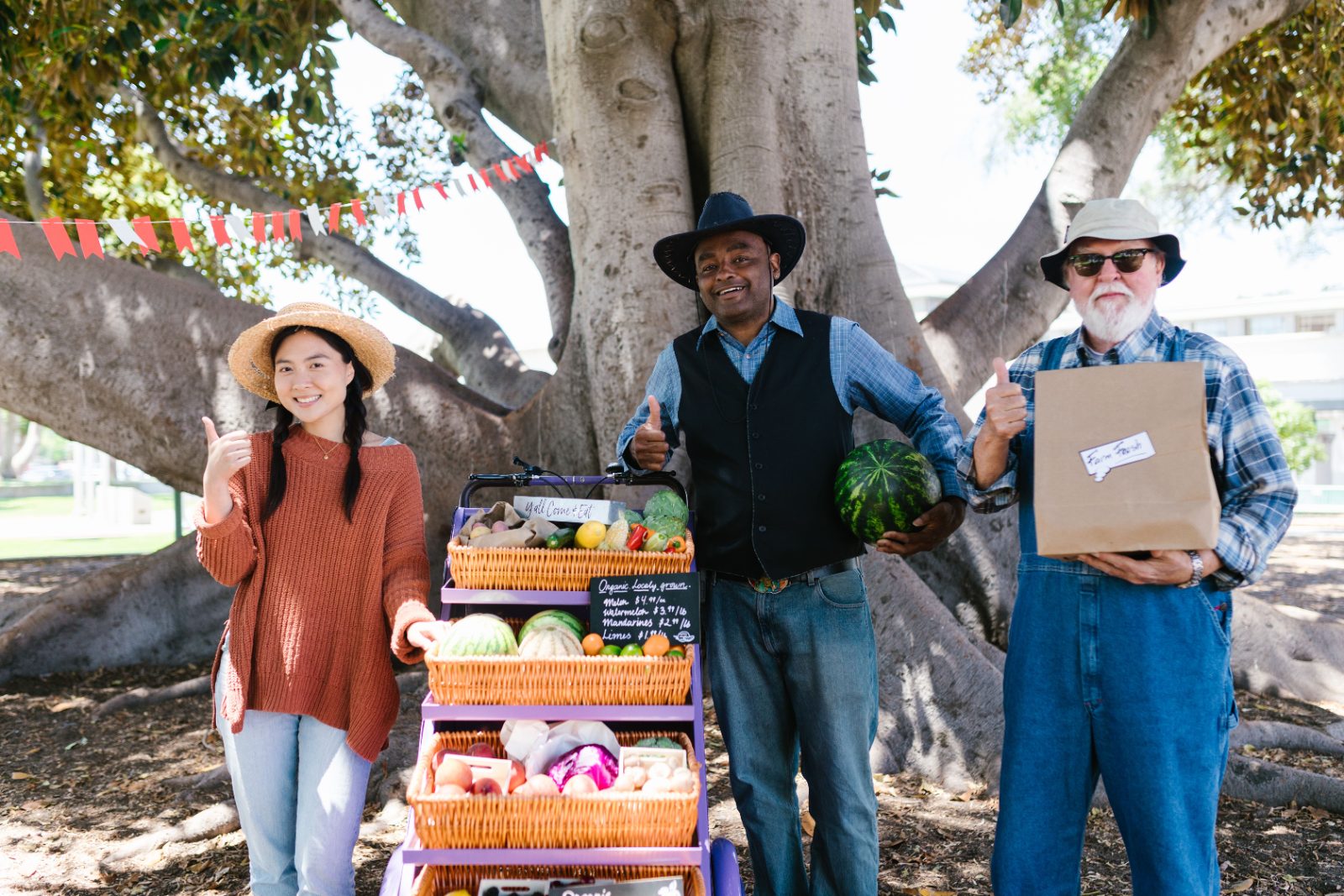
CSA, Farm Stand, or Wholesale: The Real Economics of Where You Sell
A CSA is a promise, and the promise runs both ways. You owe a full box every week whether the hail took your lettuce or not, and a season of thin boxes loses you members you spent years earning.
native plants · 6 min
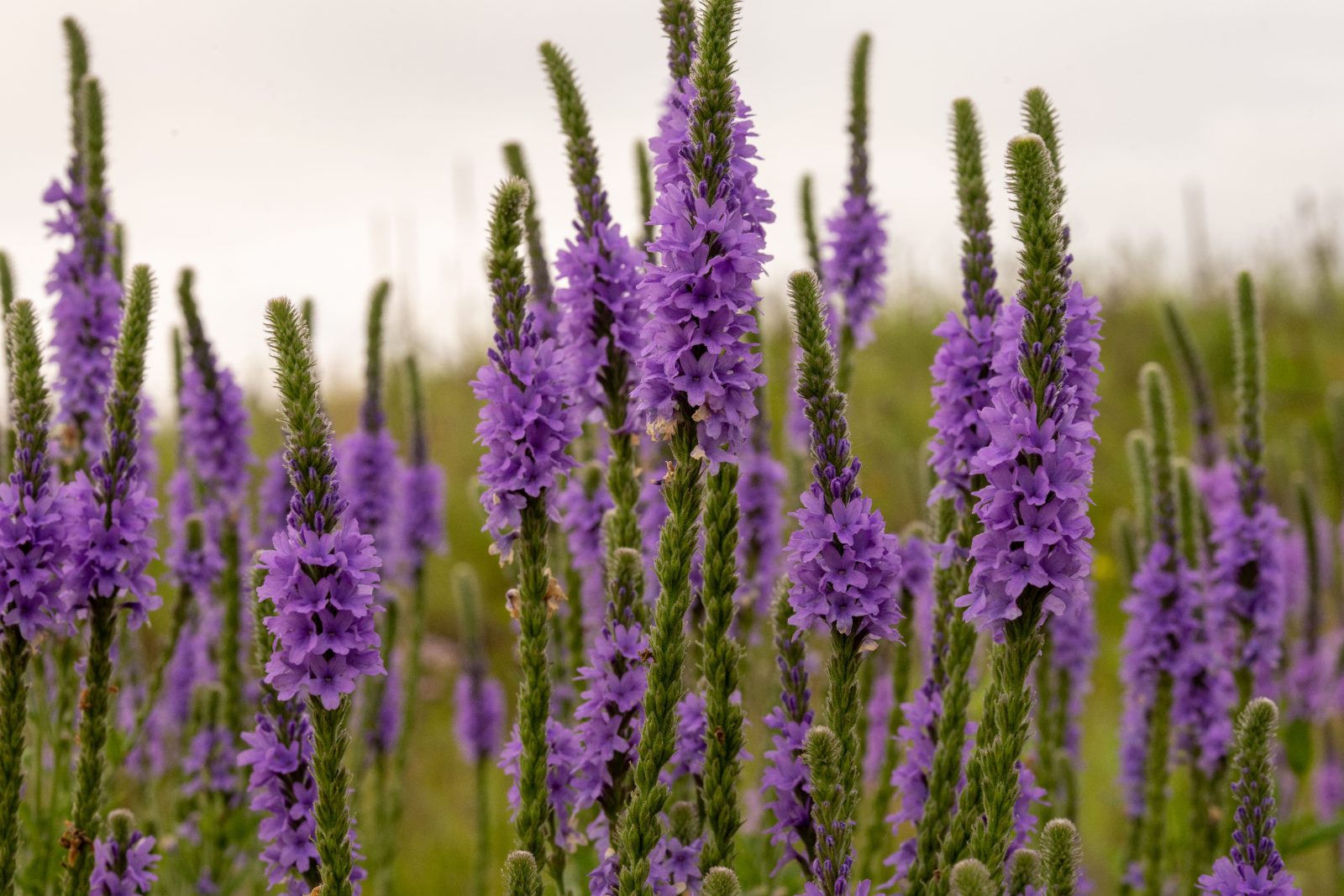
Plant Natives, Plant Cover: Where to Buy and How to Get It Growing
Buy natives from nurseries, society sales, and reputable seed houses. The seasonal sales run by a state or regional society are often the best value and the best genetics you will find anywhere.

weather · 6 min
Give It Four Seasons Before You Judge It
A bed that underperforms in year one doesn't mean the crop is wrong; it may mean that bed floods in April, bakes in July, or sits in a frost pocket. You only get that lesson if you pay attention
agritourism · 6 min
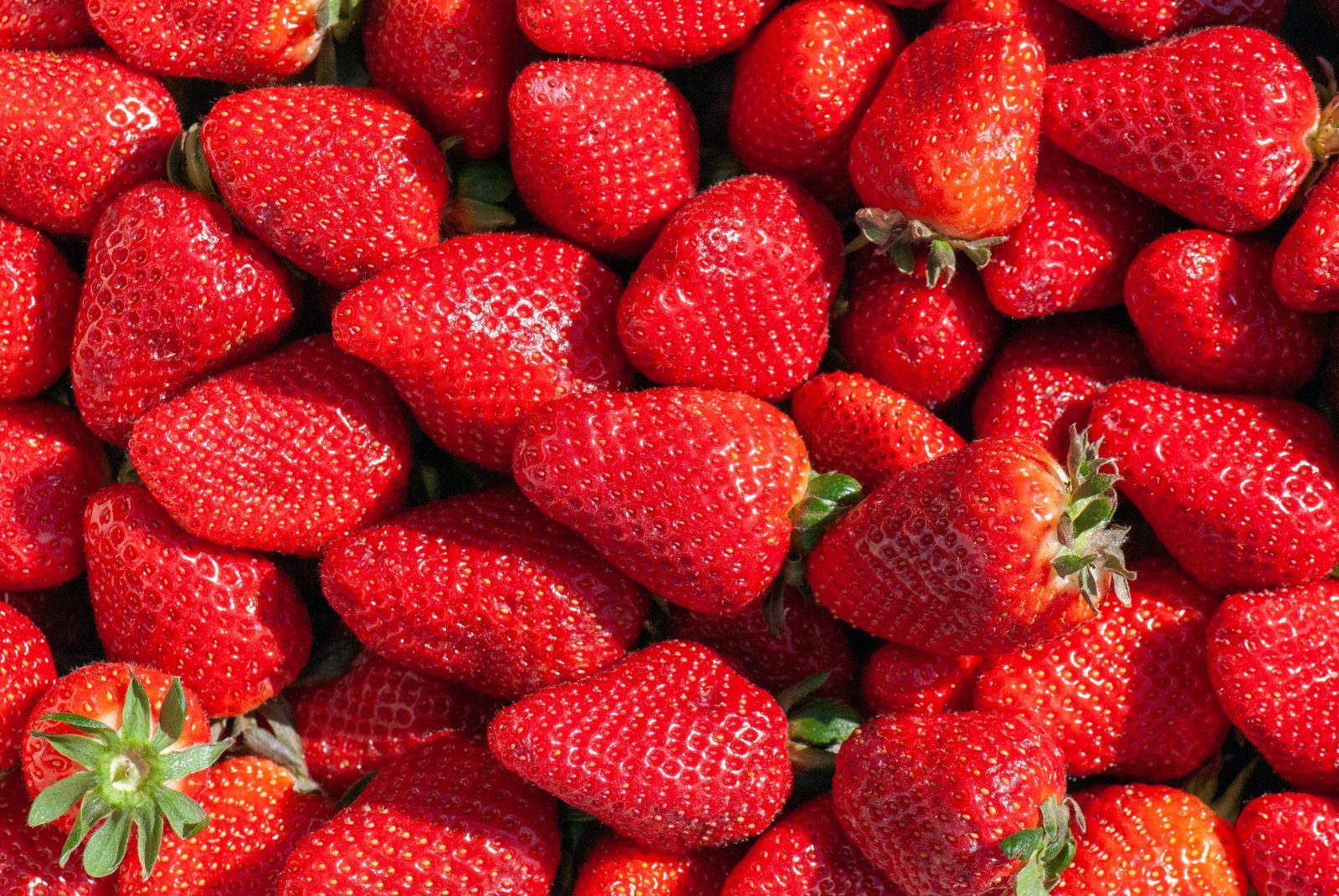
Open the Gate: Why U-Pick Is Working Again for Small Farms
A family will spend three hours in a strawberry patch and leave having paid, thanked you on the way out, and picked more cleanly than a rushed crew, because it is their afternoon and their berries
pollination · 6 min
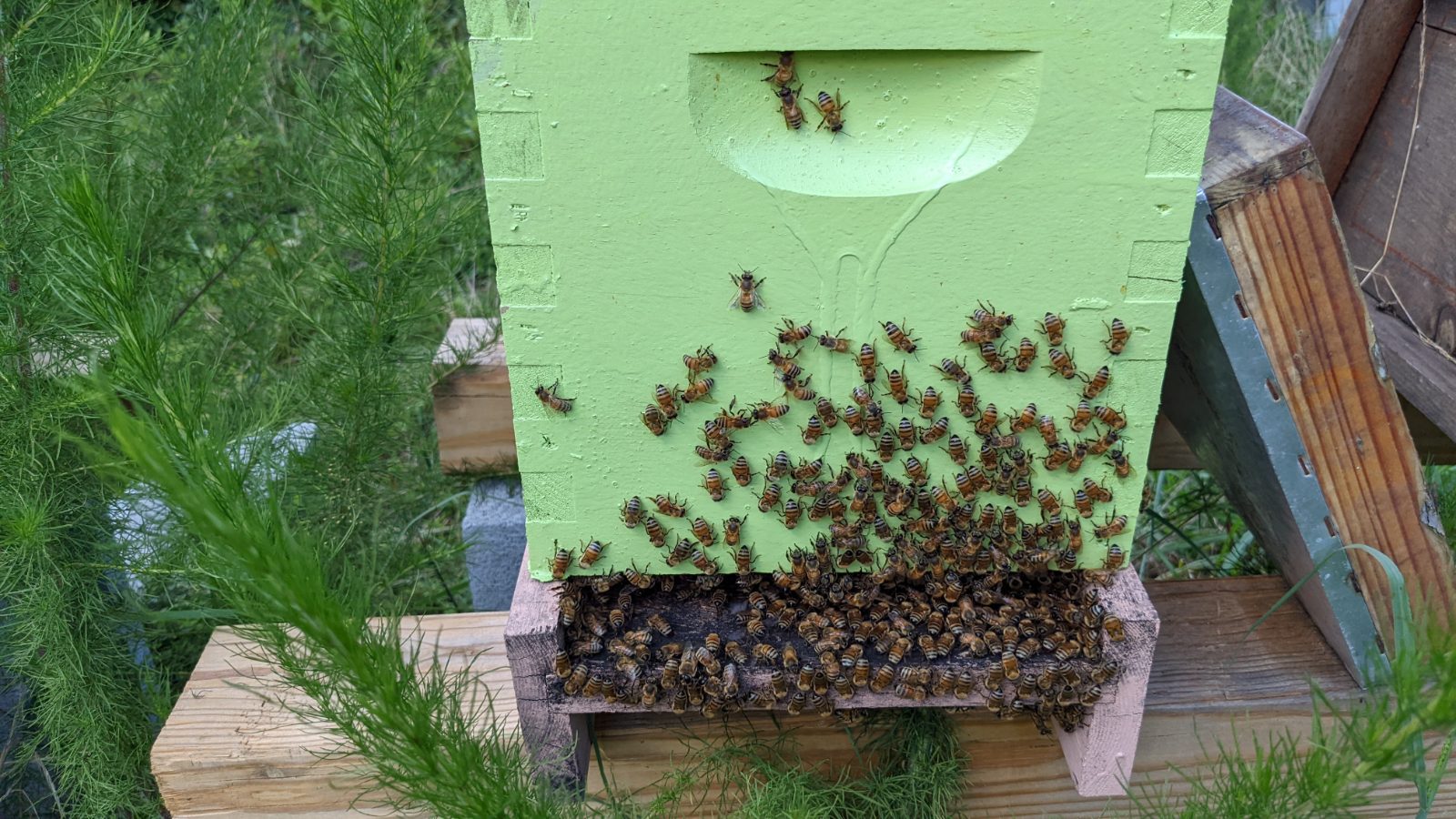
Your Squash Isn't Failing. It's Not Getting Enough Bees.
Pollination is an input. Same as water. Same as nitrogen. We just don't think of it that way because we're not the ones doing the work, it's easy to treat bees as background scenery.
weeds management · 6 min
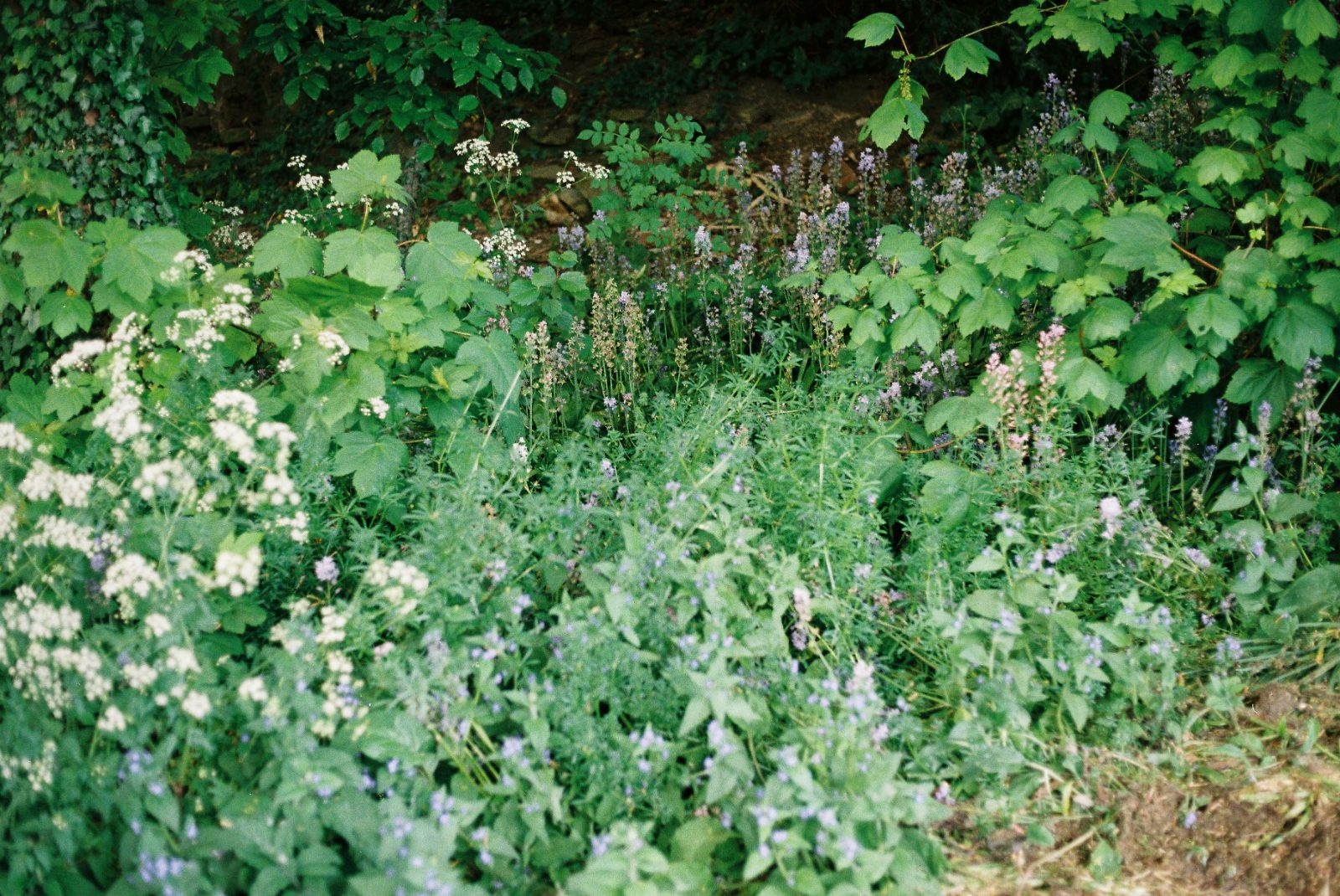
Cover the Ground: Fabric, Tunnels, and Tarps for Weed Control
Almost every weed problem comes down to one thing: those seeds got light. Take the light away and most of the fight is already over
weeds management · 6 min
Weed the Day After the Rain
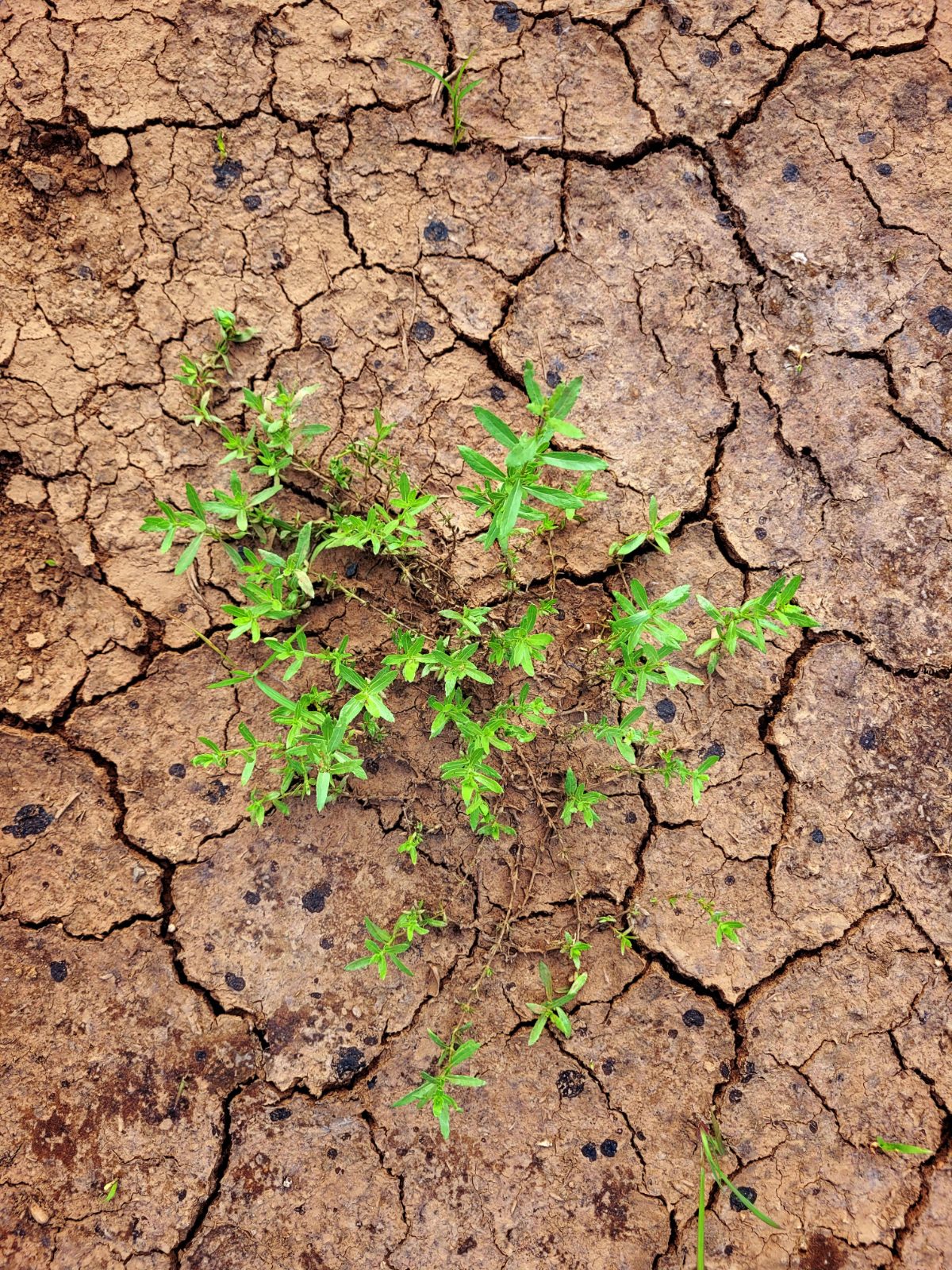
When soil is dry and hard, a weed's roots are locked in place. Pull, the top snaps off at the crown while the taproot stays, ready for new growth. You have not removed the weed; you have pruned it.
pest control · 6 min
Catch the Japanese Beetle Early: Snap, Identify, Act
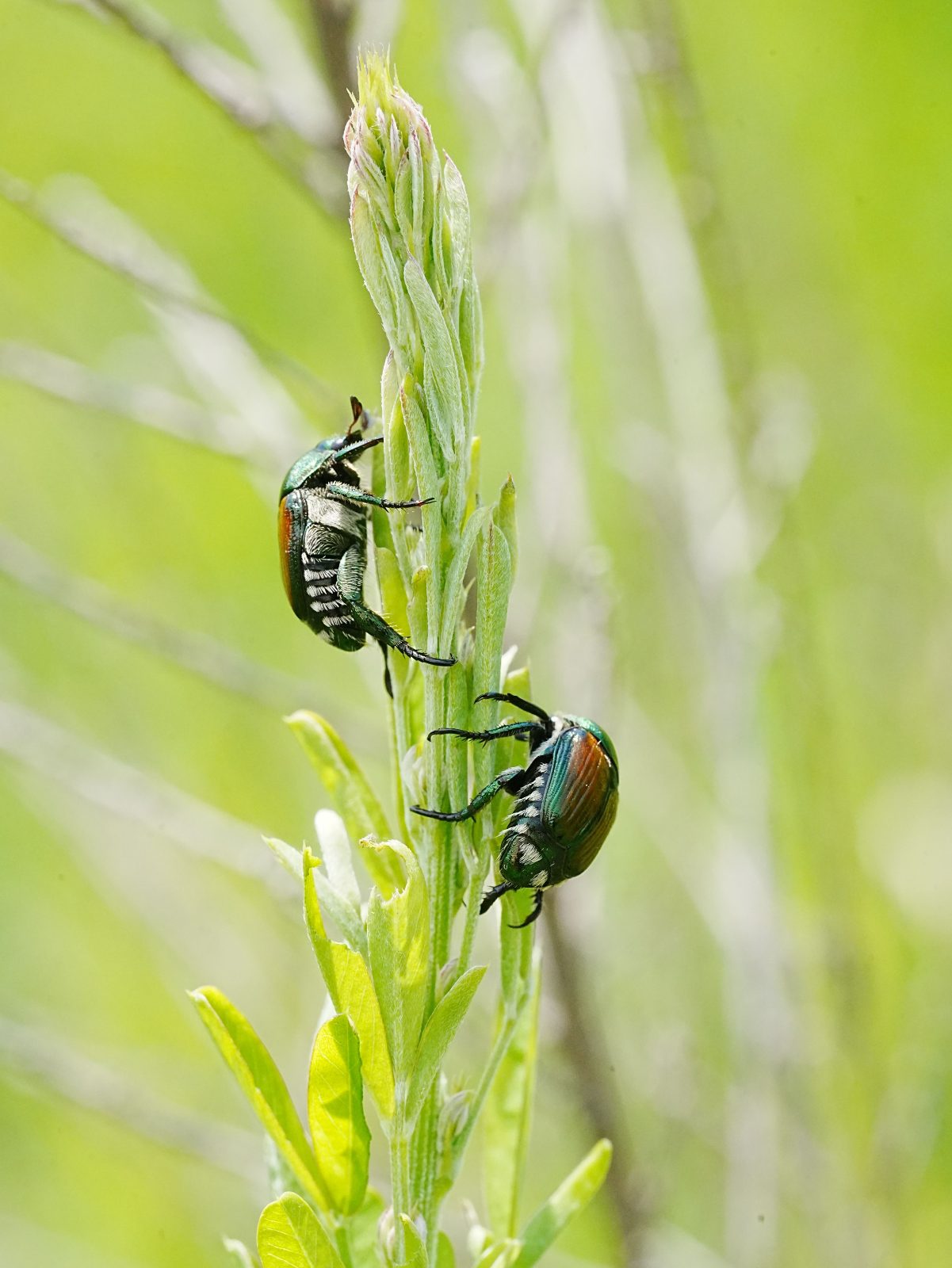
Plots.Farm's in-app insect identification lets you photograph the beetle and get the likely candidates back, so you can confirm it really is a Japanese beetle, and returns the suggested resolutions.
market gardening · 5 min
Same Bug, Two Crops: Why the Beetles Stripped the Eggplant and Skipped the Peppers
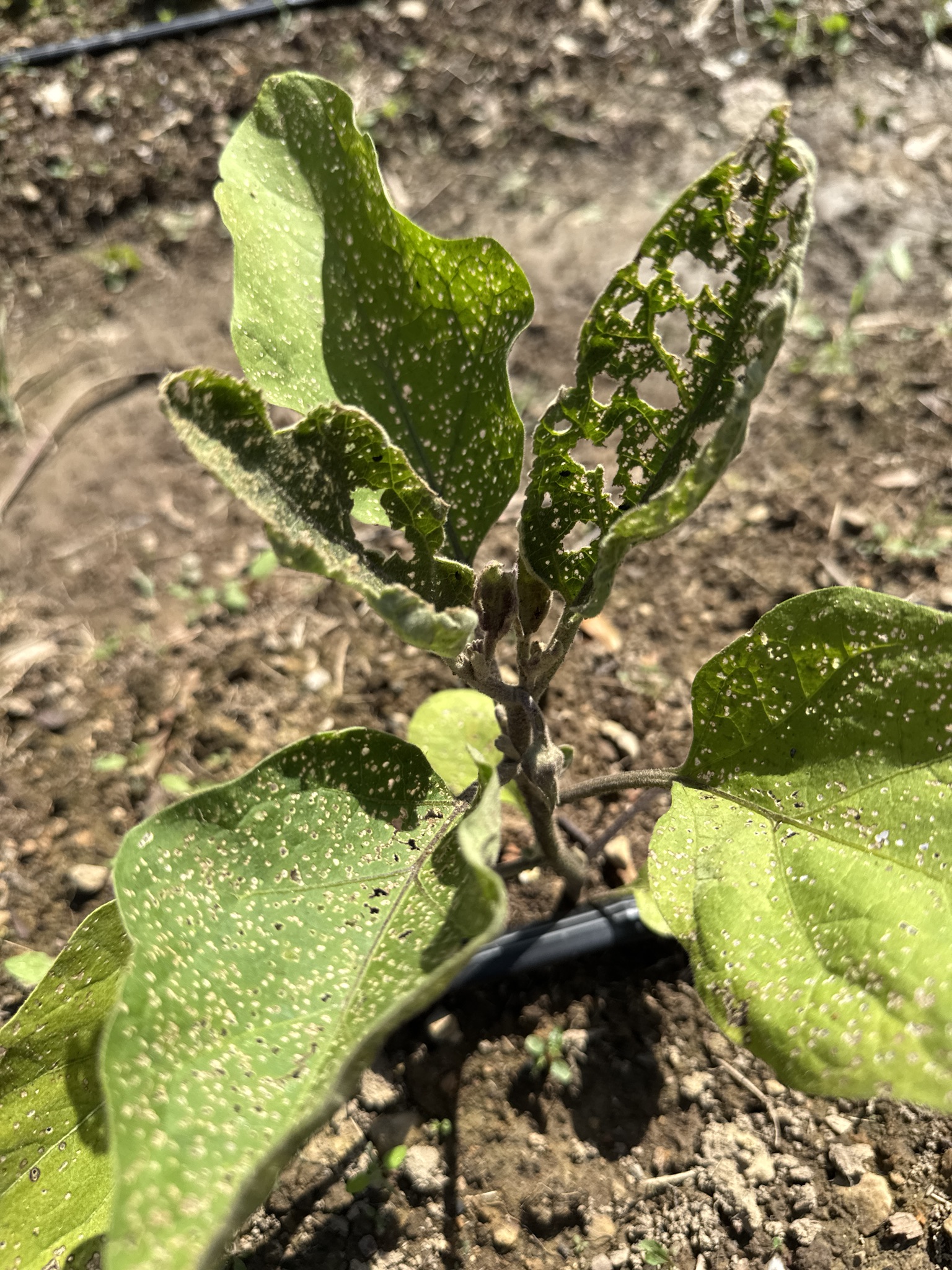
Flea and Colorado beetles both feed on eggplant, peppers, potatoes, tomatoes. Eggplant gets hit first and hardest. The reason is the leaf: eggplant foliage is tender, thin, and low in deterrent.
soil health · 6 min
Rabbit Tea: The Free Fertilizer Under the Hutch
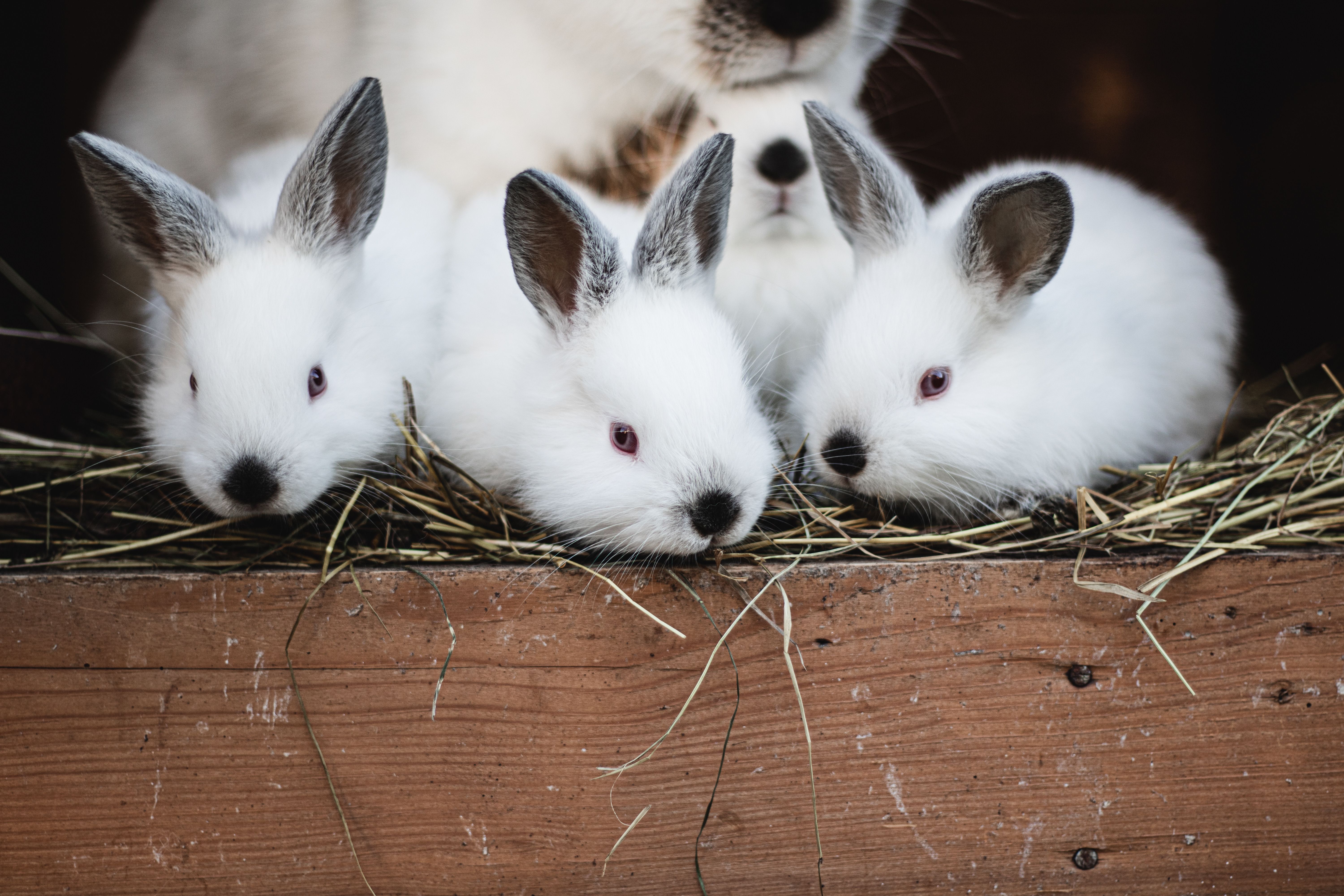
Rabbit manure generally runs higher in nitrogen, phosphorus, and potassium than cow or horse manure. For a grower running intensive beds where every square foot is working, that density matters.
market gardening · 3 min
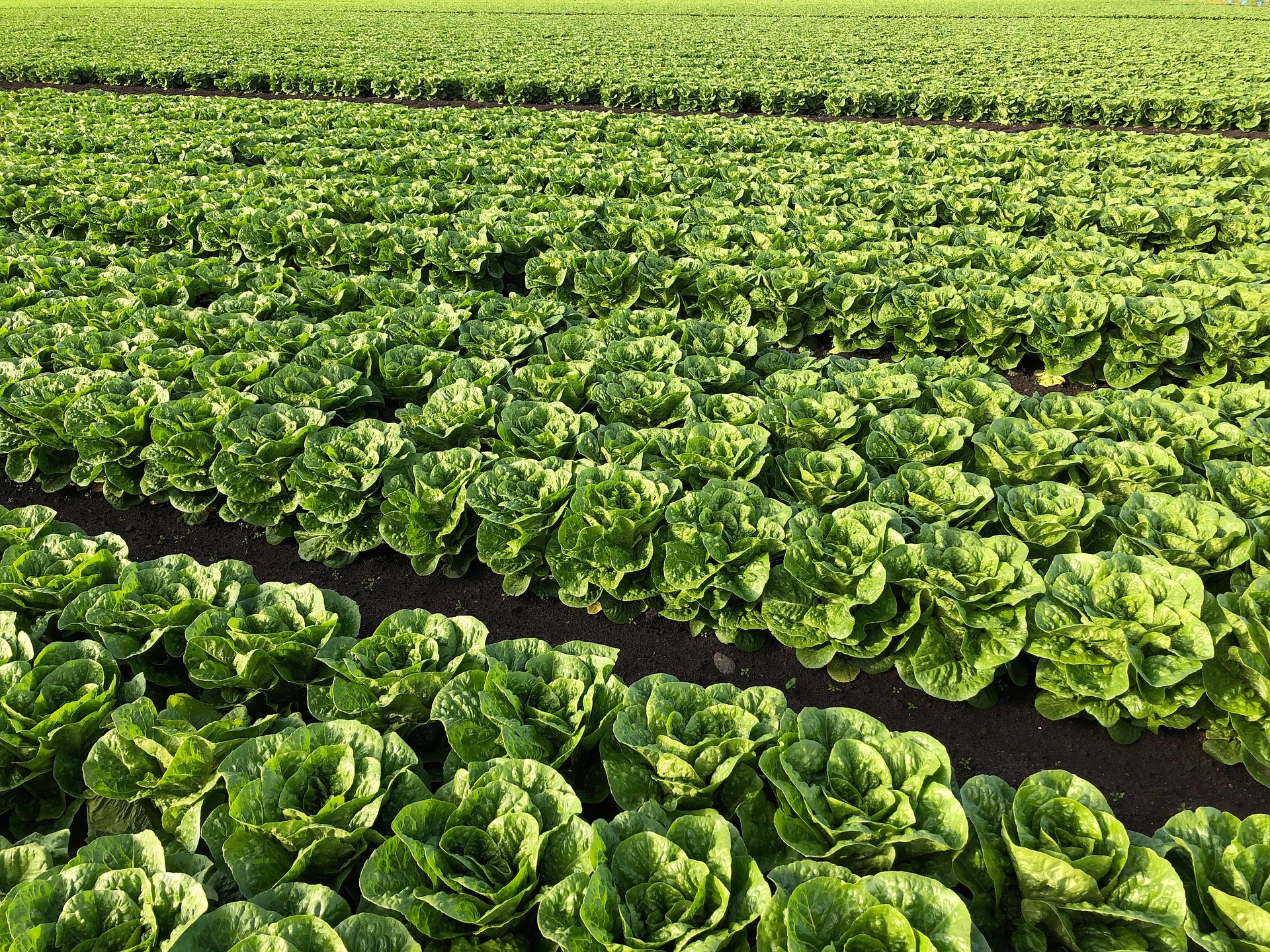
Same bed, same lettuce, 75% more heads
Every grower has read the back of a seed packet. Lettuce, 8″ apart in the row, 12″ between rows. Most market gardeners quietly ignore it and plant tighter, and they are right to.
market gardening · 6 min
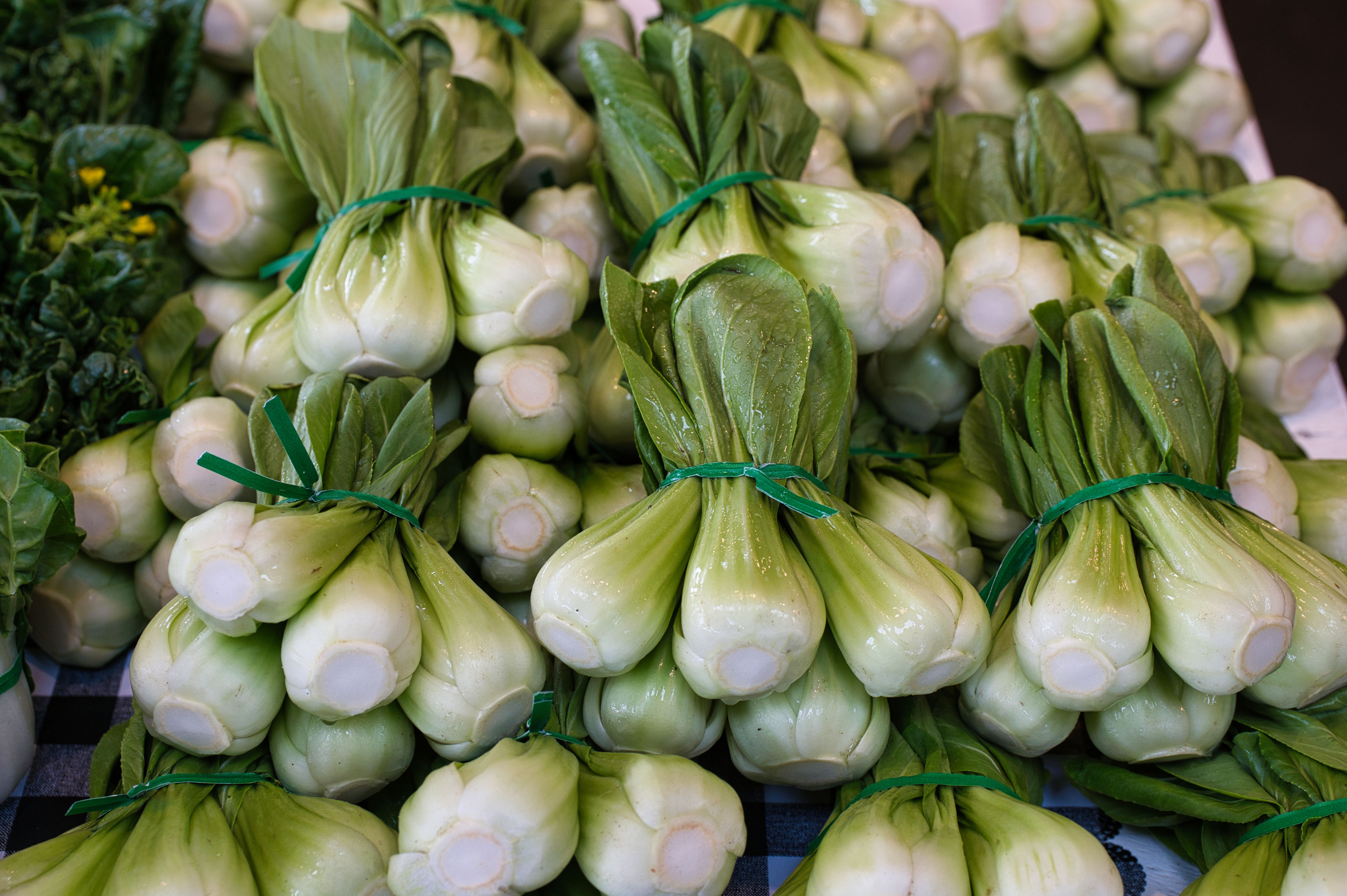
Vegetables for Asian Stores: Finding the Niche the Market Hasn't Filled
That is the whole pitch for asian greens: real demand, thin local supply, and a product so perishable that being close is a genuine advantage
7 min
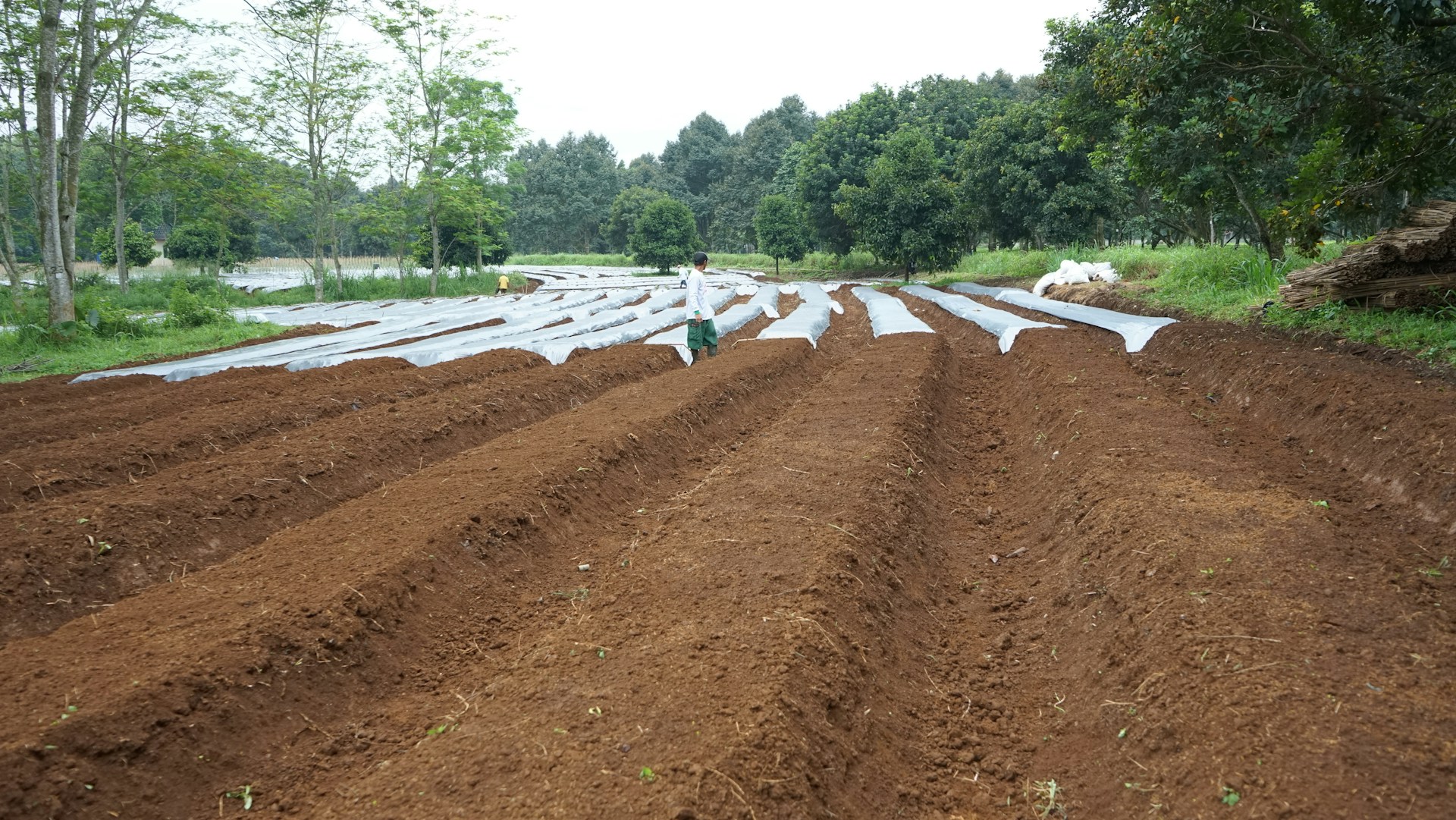
The Cost of an Empty Bed: Planning Your Beds to Stay Full All Season
Walk your plot in the season and count beds with nothing in them. Each of those beds is still costing you. It's irrigated. It's weeded, or will need to be. The only thing it's not doing is earning.
interplanting · 6 min
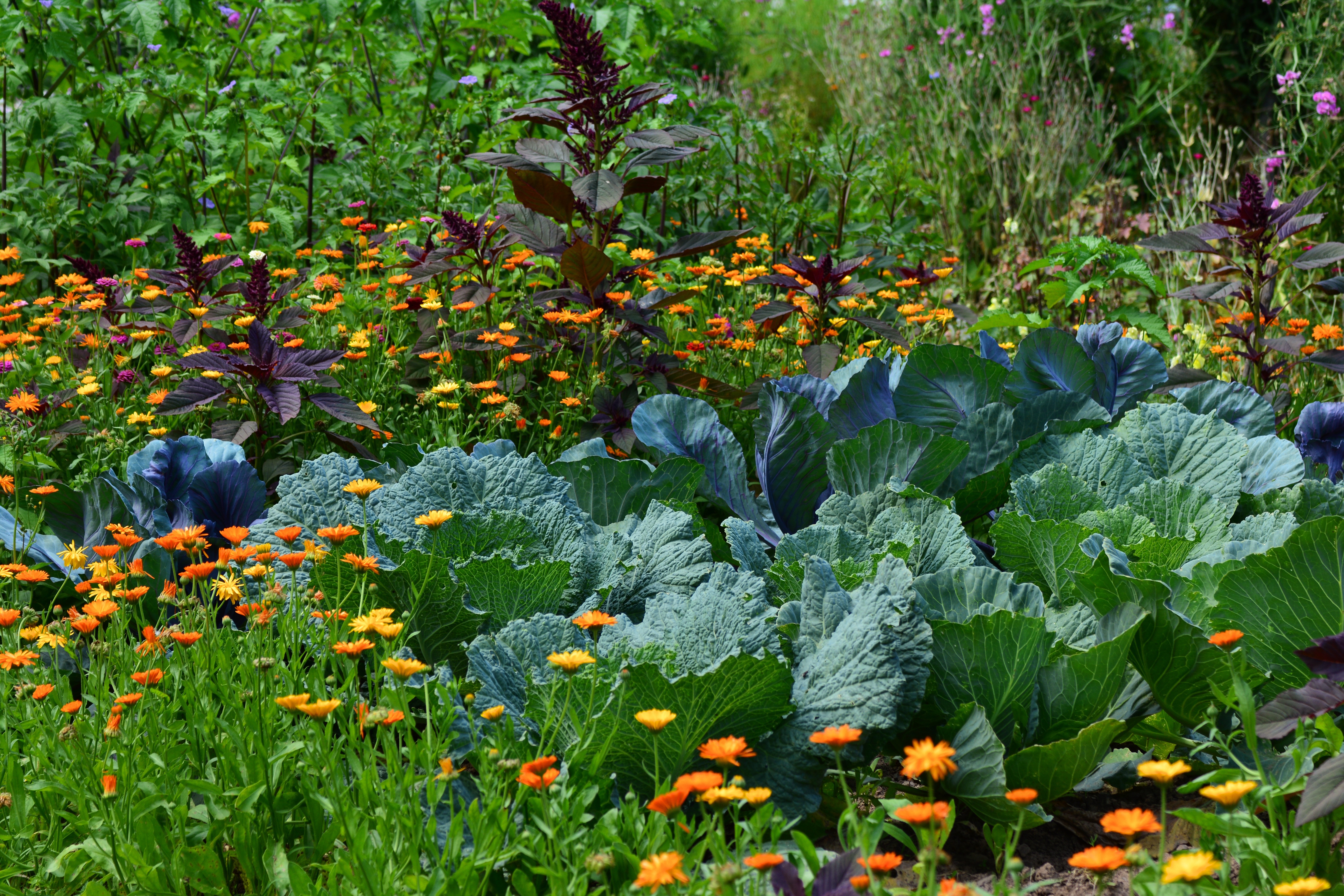
Hire the Marigolds: What Interplanting Actually Saves a Small Market Garden
A $3 packet of marigold seed. 6 squash plants protecting 100. The empty space between your crops is already irrigated, weeded, and paid for. Interplanting puts it to work — fewer pests, fewer sprays, more food off the same beds.
Get our monthly newsletter
Crop planning notes, market-garden tactics, product updates. Once a month, no spam.